


Once you've had a car for a decade, you might figure that it would no longer be part of a recall. But that's not the case for hundreds of thousands of older model cars after Stellantis, the maker of Chrysler, Dodge, Jeep, and Ram, issued a "do not drive" warning. The issue stems from the Takata airbag recall, which lots of people still haven't gotten fixed. Here's what you need to know about the Stellantis warning.
What's the Takata Airbag Issue?
Japanese parts supplier Takata began manufacturing airbags with an explosive flaw in the early 2000s. Over time, the chemical propellant inside the airbag can degrade, which can lead to the airbag rupturing when it's deployed and sending metal fragments into the car, injuring anyone inside. So far, there have been 28 deaths associated with the defective Takata airbags,according to the National Highway Traffic Safety Administration, along with hundreds of injuries.
In total, 67 million vehicles have been recalled in the U.S. for defective Takata airbags over the last decade. It's the largest ever such recall in U.S. history, according to Reuters.
Which Vehicles Are Affected?
This week, Stellantis issued a new "do not drive" warning related to the Takata airbag recall. Though tens of millions of airbags have been replaced by various car makers, there are at least 225,000 Stellantis vehicles that have not been repaired.
"This action is intended to accelerate the repair of the remaining affected vehicles to safeguard owners, their families and the general public from the risk of serious injury or death," the car maker said in a statement.
Stellantis has performed repairs on about 95% of its recalled vehicles, which amounts to about 6.6 million cars.

These are the vehicles that are included in Stellantis' "do not drive" warning:
2003 to 2016 Dodge Ram and Dodge Sprinter
2004 to 2009 Dodge Durango
2005 to 2012 Dodge Dakota
2005 to 2008 Dodge Magnum
2006 to 2015 Dodge Charger
2008 to 2014 Dodge Challenger
2007 to 2009 Chrysler Aspen
2007 to 2008 Chrysler Crossfire
2005 to 2015 Chrysler 300
2007 to 2016 Jeep Wrangler
If you have any of these vehicles but you have not gotten its Takata airbags fixed (or if you do not know), you should stop driving the car until you do. You can take it to a Stellantis dealership where they will complete the repairs free of charge.
You can check your car's recall status by calling 833-585-0144 or by entering its VIN on theNational Highway Traffic Safety Administration's recall status website.
More From Cheapism

15 Cars of the 1970s That Ruled the Streets — We found 15 of the most iconic, attention-grabbing cars of this funky decade.
Classic Family Cars of the Past 50+ Years — We took a look back over the past half-century of family vehicles and found a solid 50 that stand out as the iconic family cars of their time.
These Cars and Trucks Are the Most Likely to Surpass 250,000 Miles — Whether you're looking for a compact car, a luxury SUV, or something sporty, these cars and trucks have proven they can surpass the 250,000-mile mark.


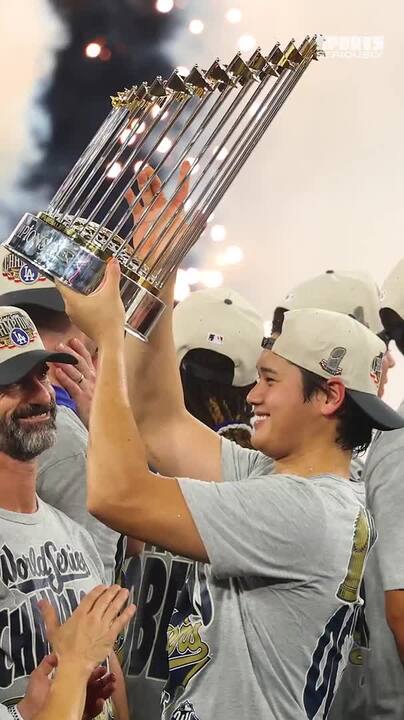

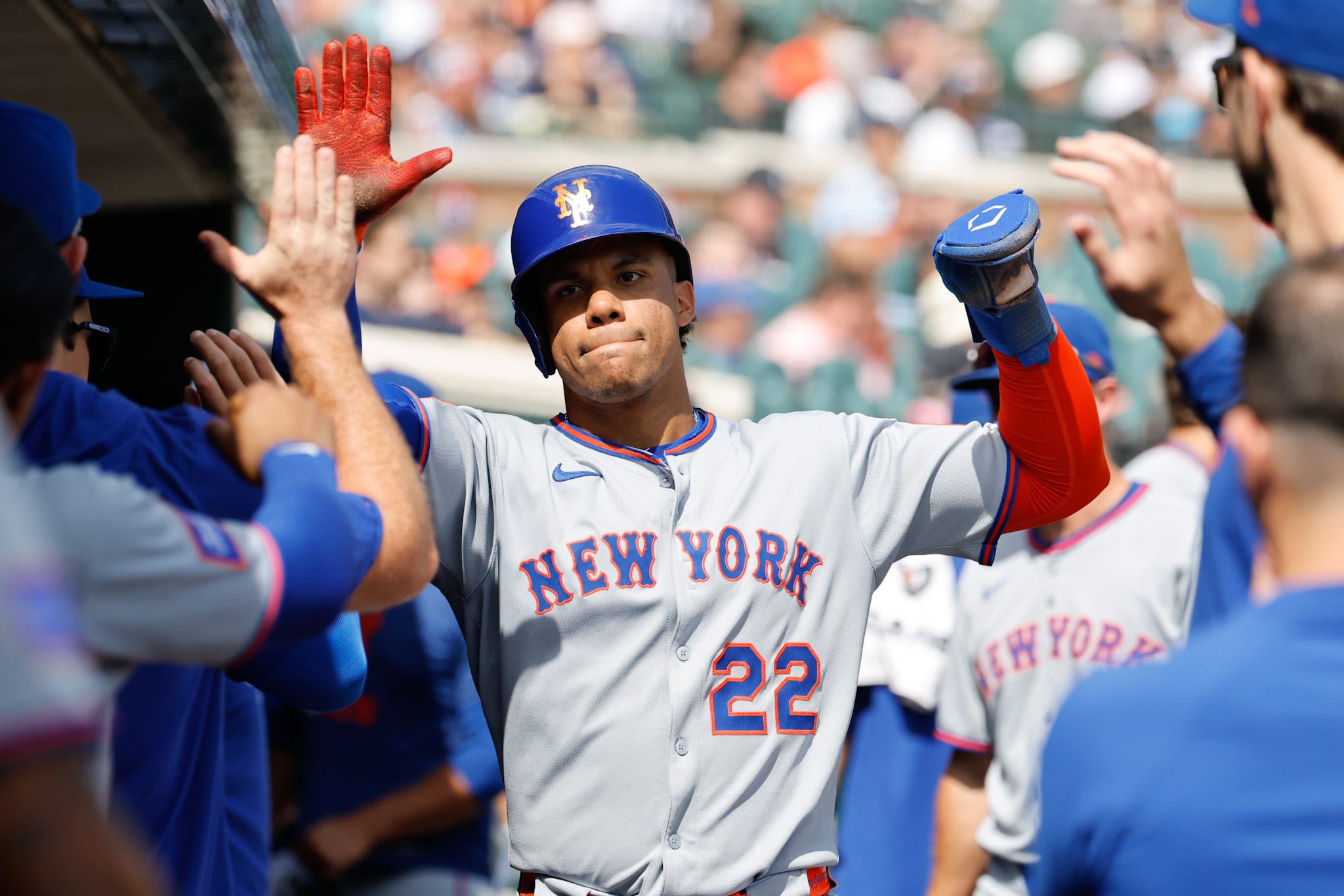 $765,000,000: Juan Soto, New York Mets (2025-39)" style="max-width:100%; height:auto; border-radius:6px; margin:10px 0;" loading="lazy" />
 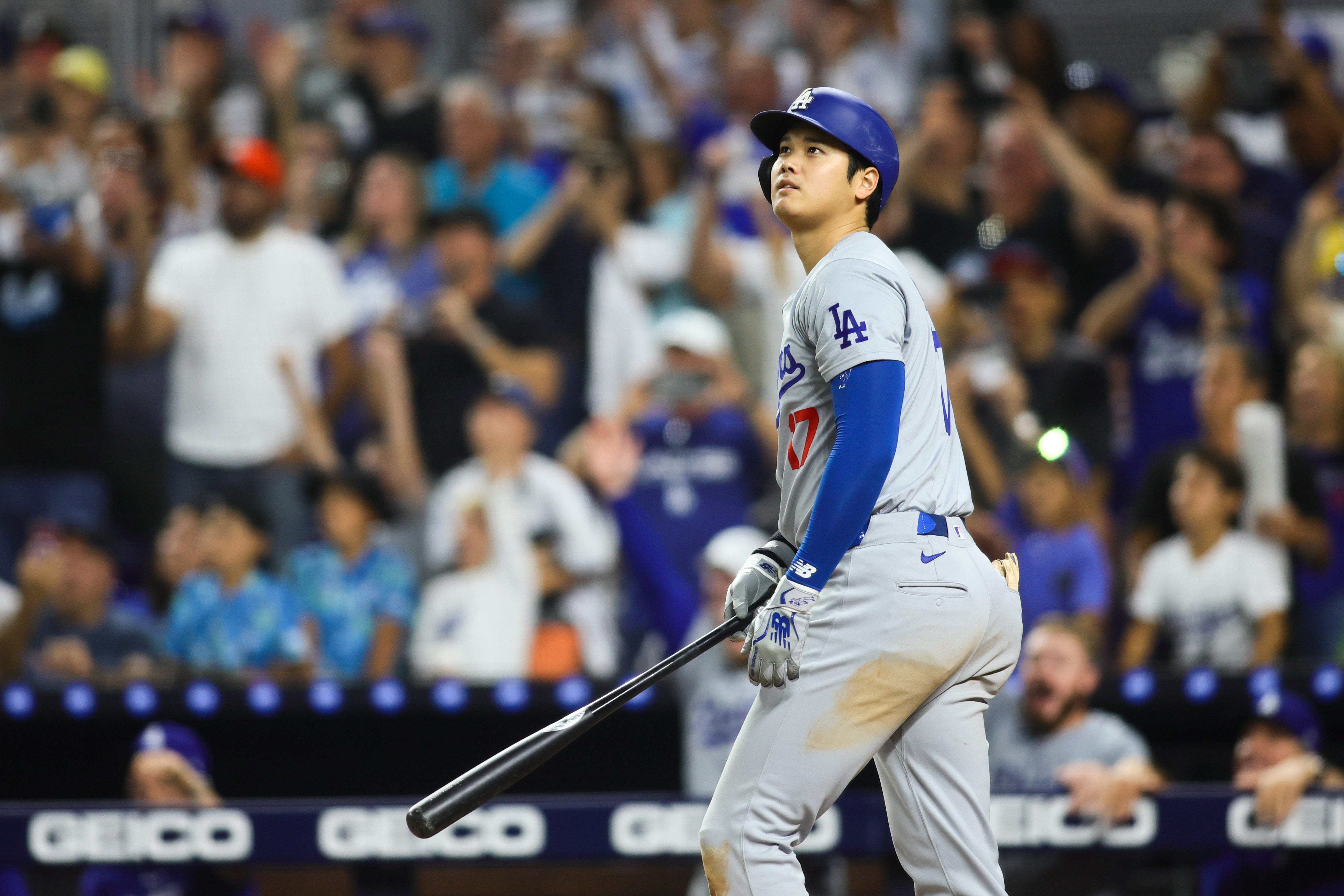 $700,000,000: Shohei Ohtani, Los Angeles Dodgers (2024-33)" style="max-width:100%; height:auto; border-radius:6px; margin:10px 0;" loading="lazy" />
 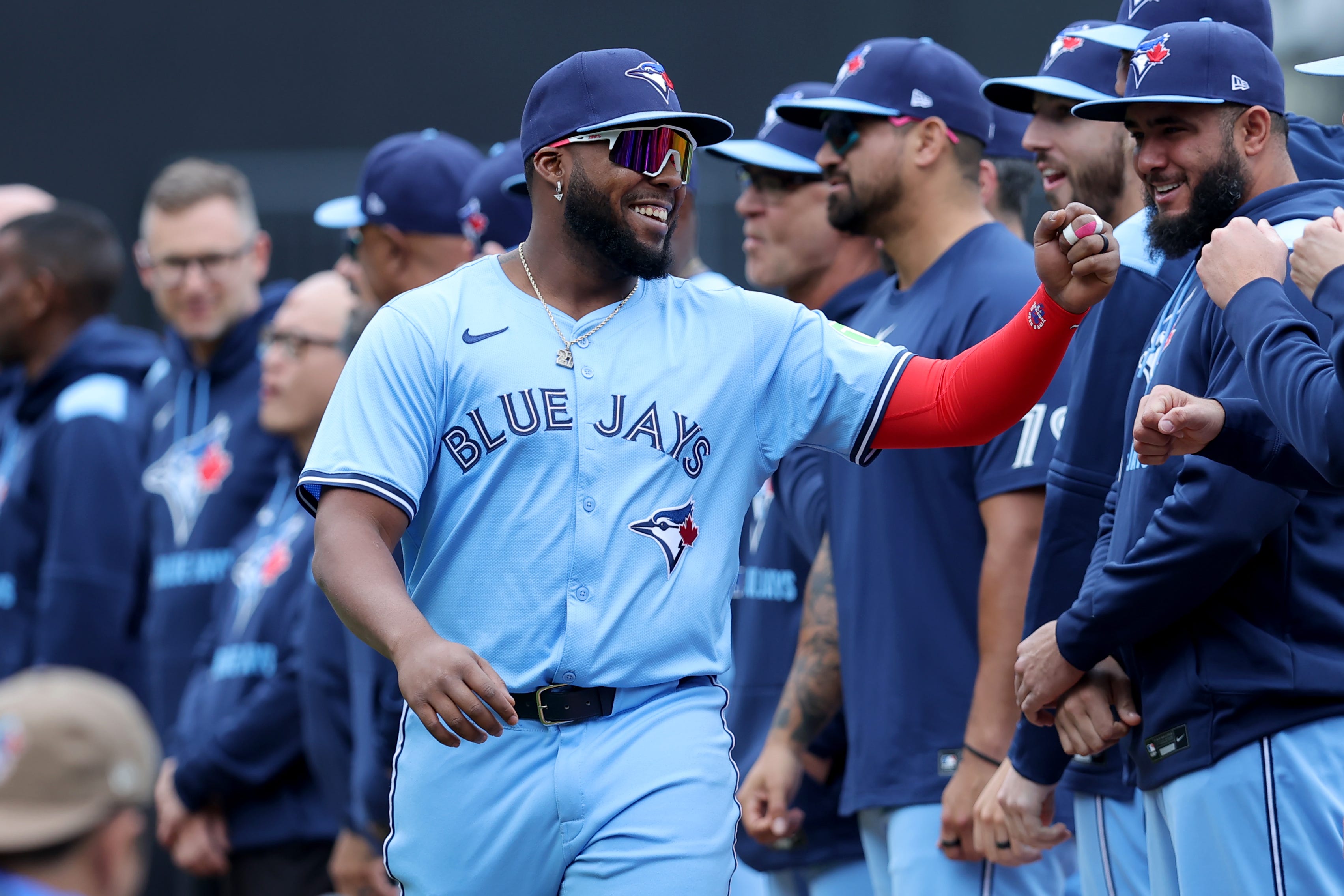 $500,000,000: Vladimir Guerrero, Jr., Toronto Blue Jays (2026-39)" style="max-width:100%; height:auto; border-radius:6px; margin:10px 0;" loading="lazy" />
 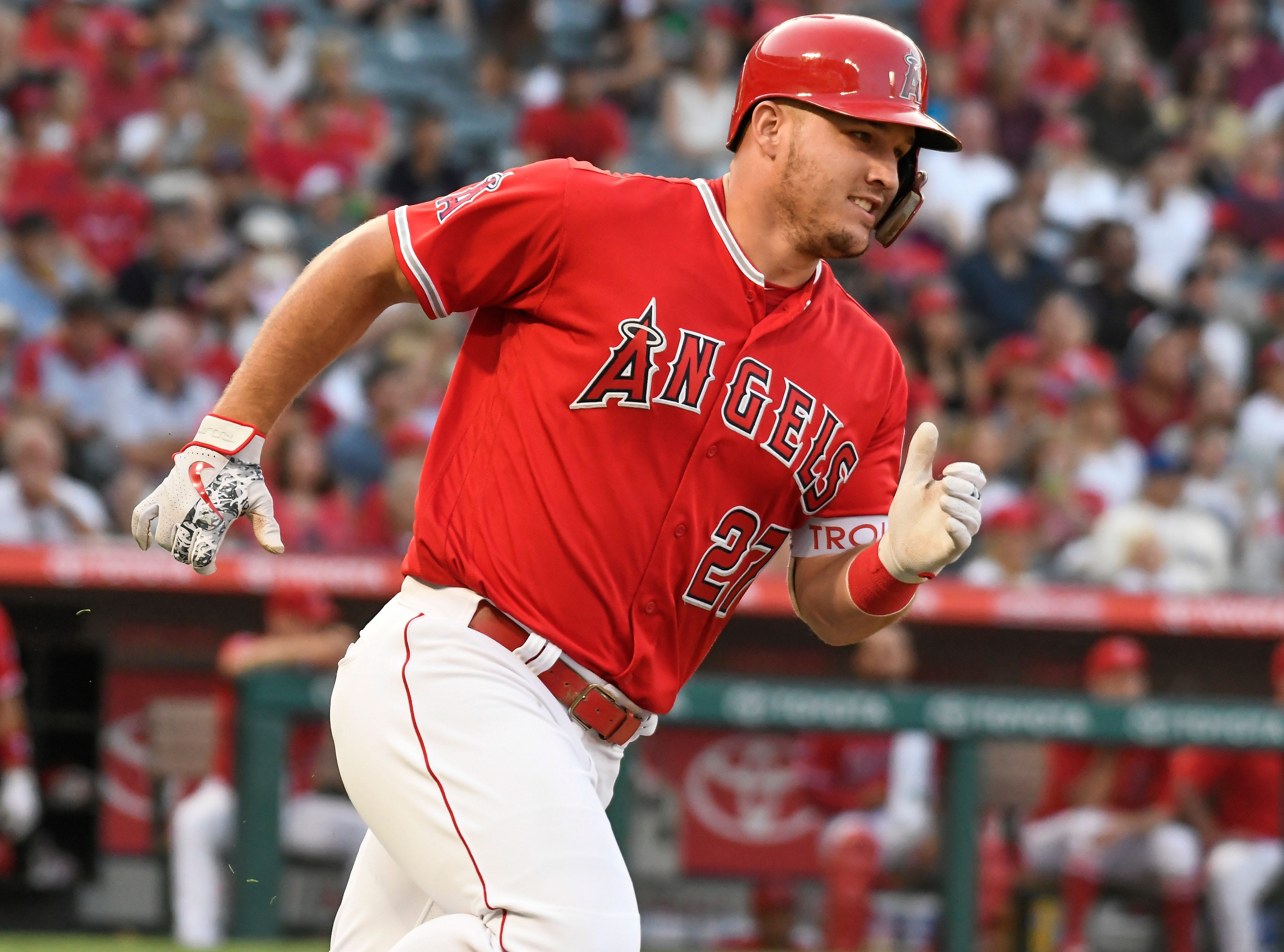 $426.5 million: Mike Trout, Los Angeles Angels (2019-2030)* includes extension" style="max-width:100%; height:auto; border-radius:6px; margin:10px 0;" loading="lazy" />
 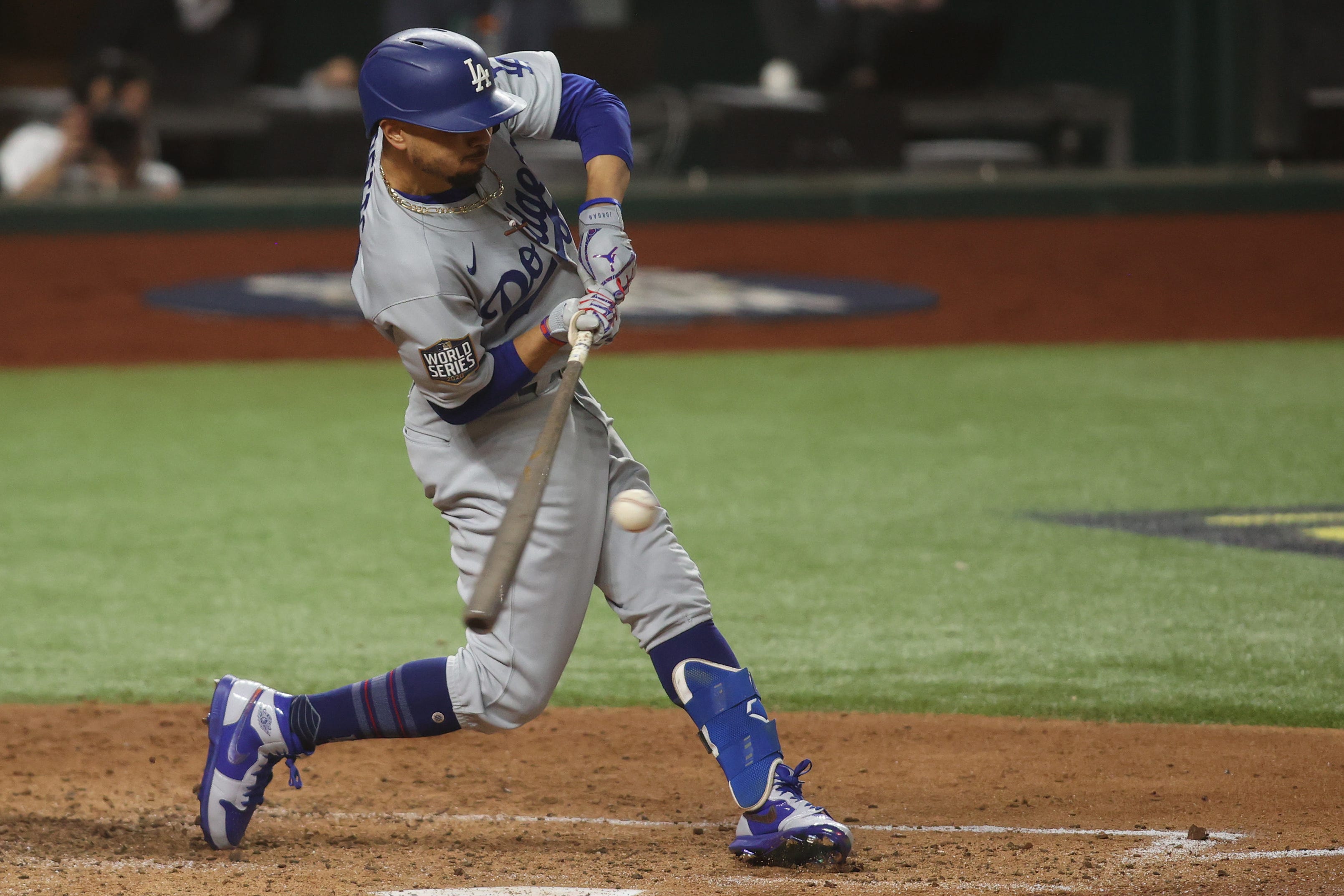 $365 million: Mookie Betts, Los Angeles Dodgers (2020-32)" style="max-width:100%; height:auto; border-radius:6px; margin:10px 0;" loading="lazy" />
 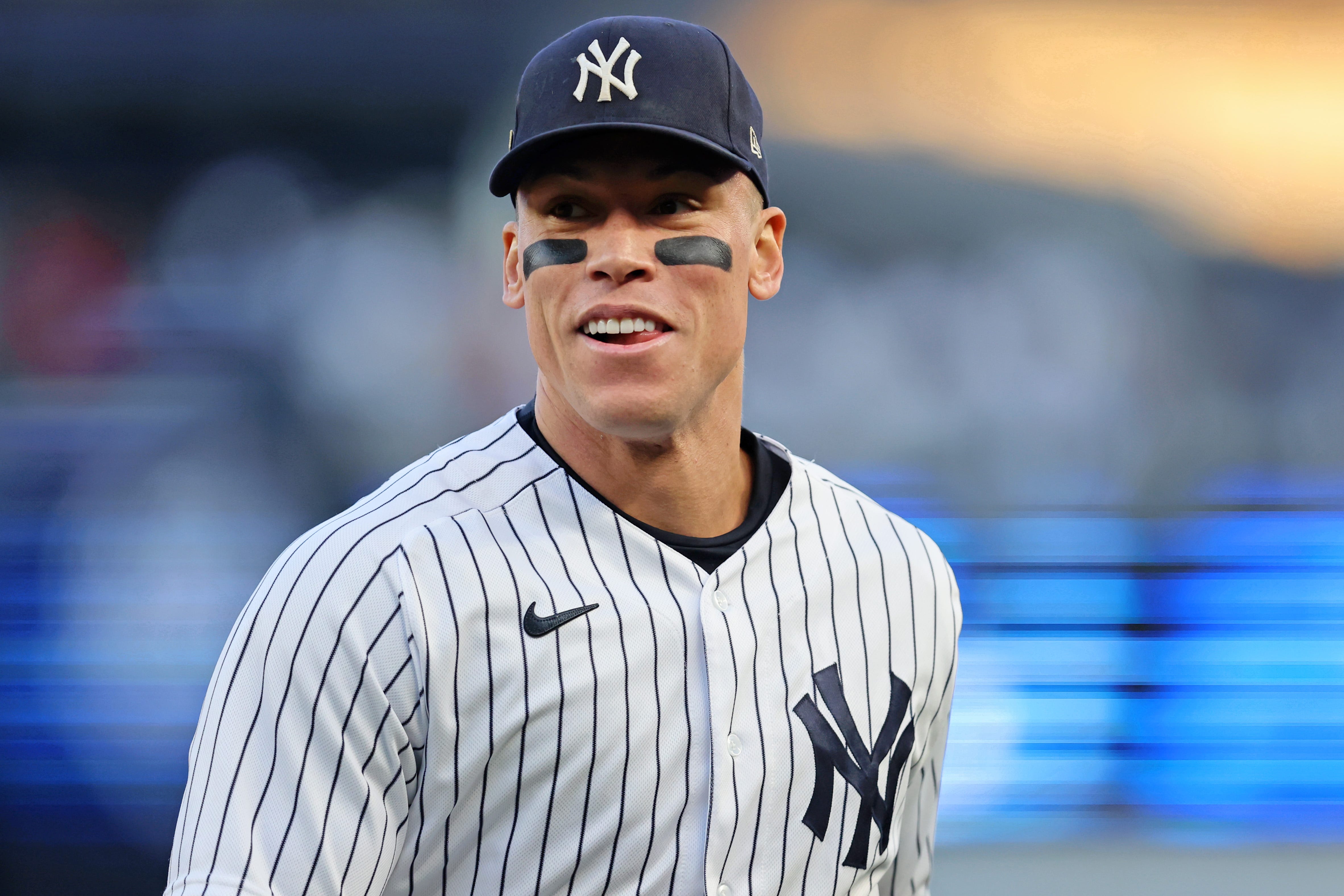 $360 million: Aaron Judge, New York Yankees (2023-2031)" style="max-width:100%; height:auto; border-radius:6px; margin:10px 0;" loading="lazy" />
 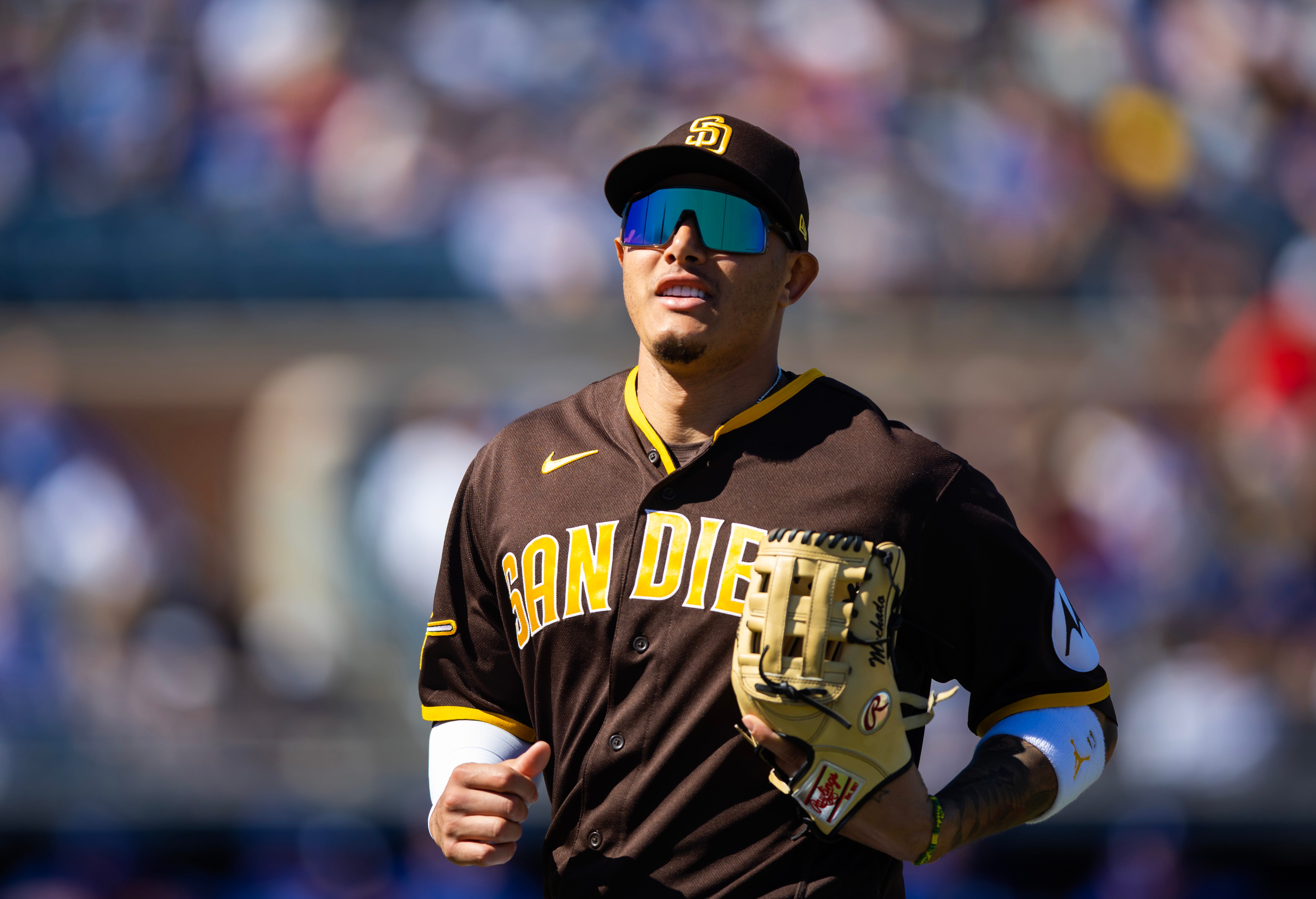 $350 million: Manny Machado, San Diego Padres (2023-33)" style="max-width:100%; height:auto; border-radius:6px; margin:10px 0;" loading="lazy" />
 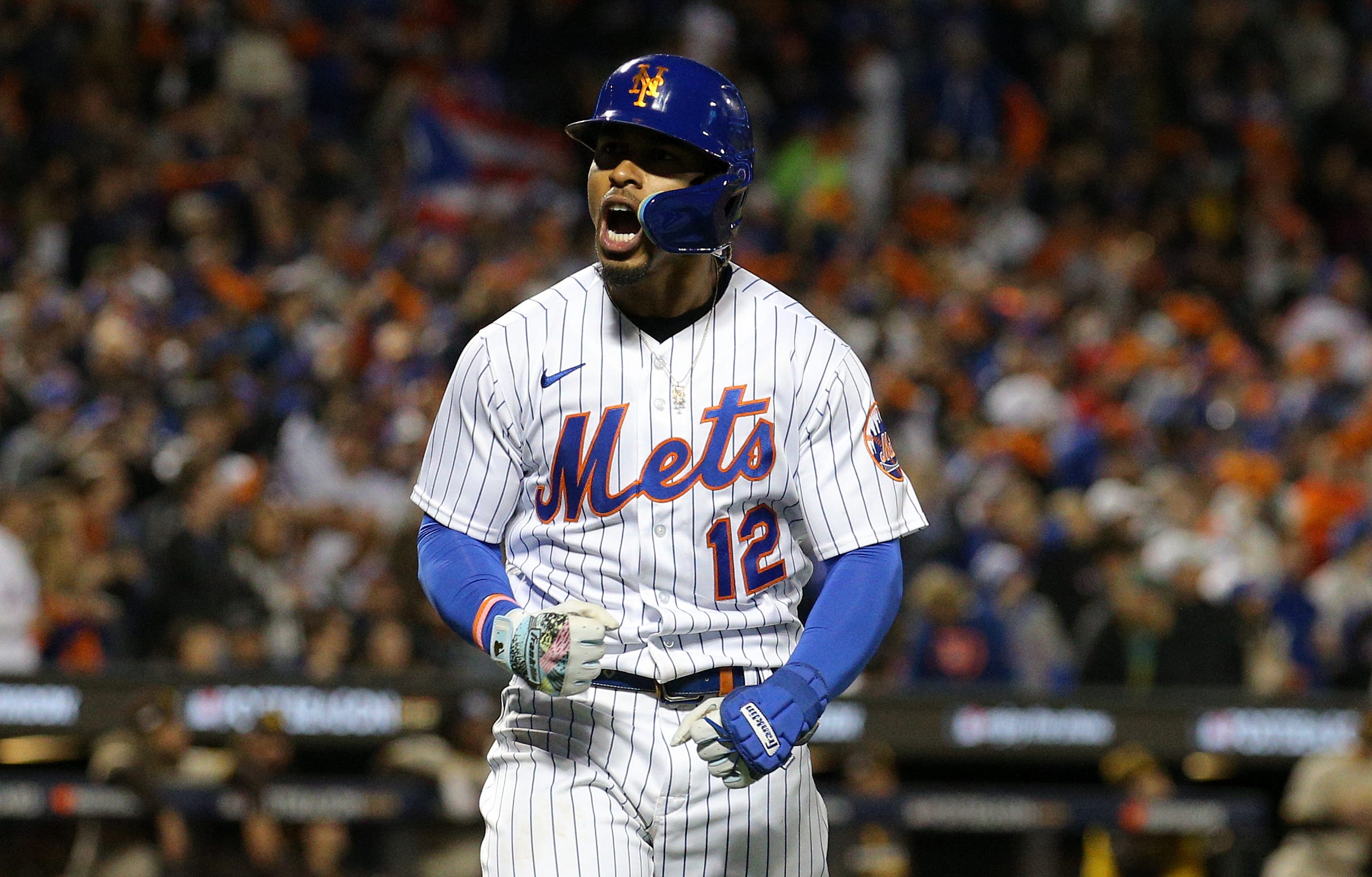 $341 million: Francisco Lindor, New York Mets (2022-31)" style="max-width:100%; height:auto; border-radius:6px; margin:10px 0;" loading="lazy" />
 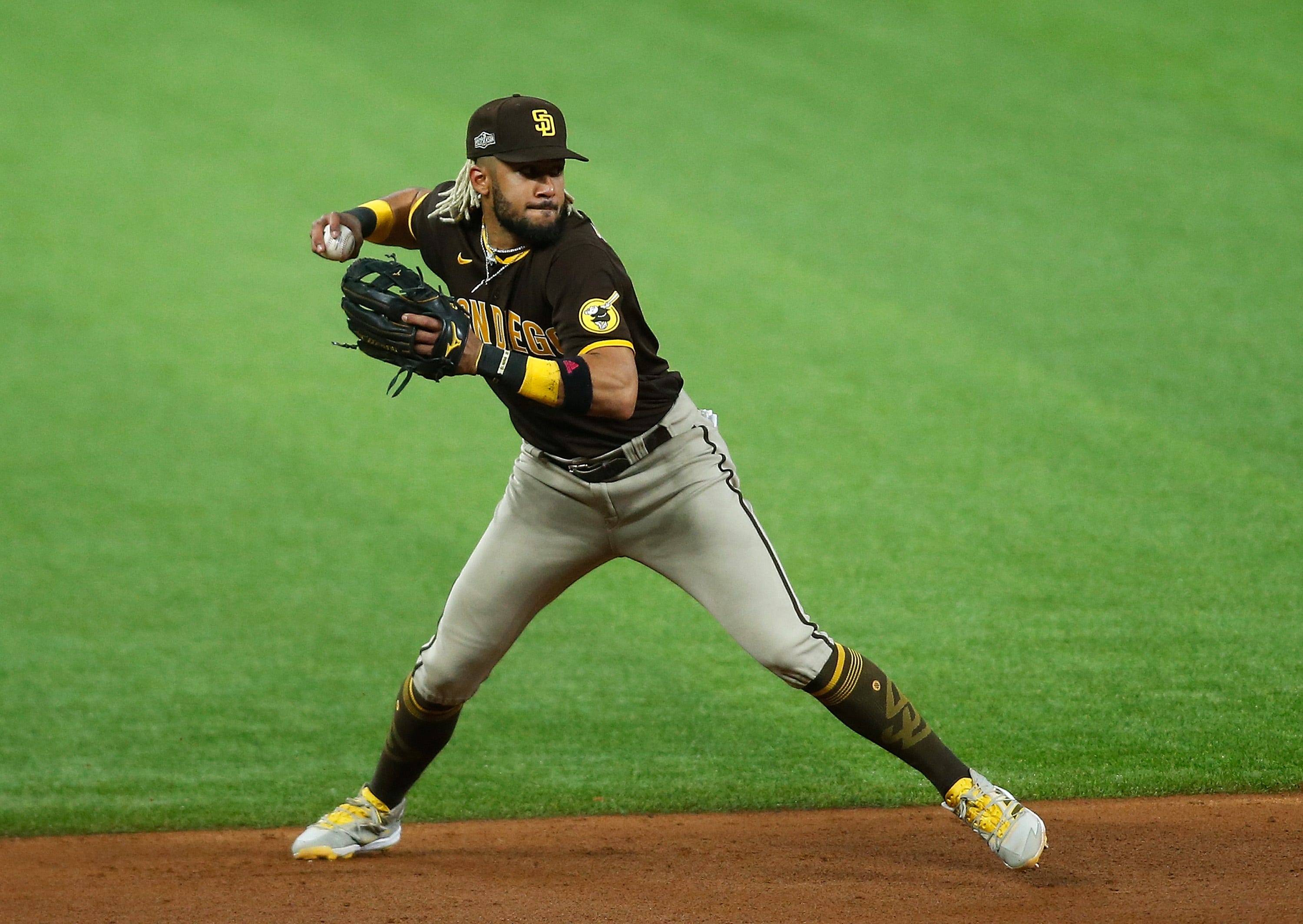 $340 million: Fernando Tatis Jr., San Diego Padres (2021-34)" style="max-width:100%; height:auto; border-radius:6px; margin:10px 0;" loading="lazy" />
 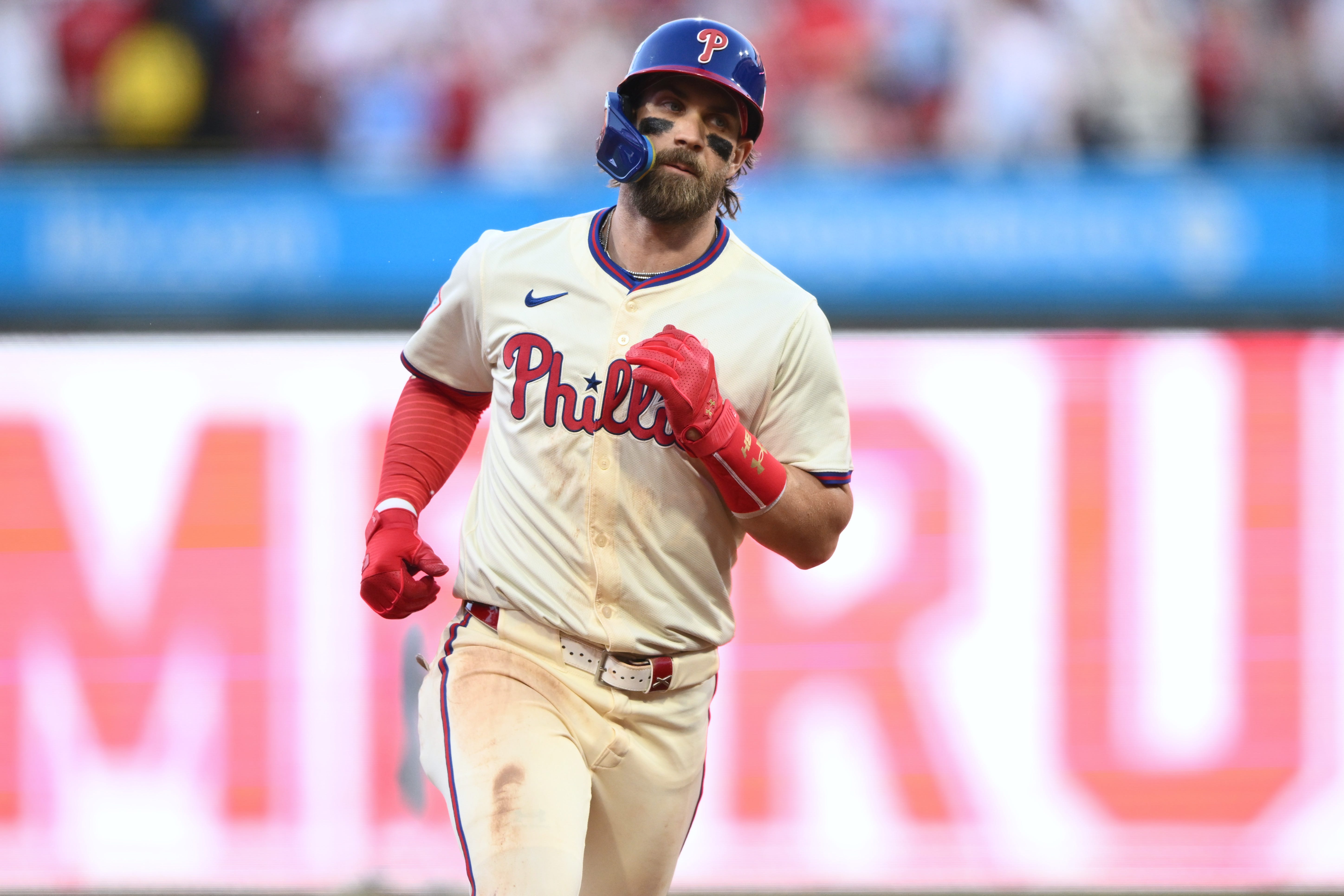 $330,000,000: Bryce Harper, Philadelphia Phillies (2019-31)" style="max-width:100%; height:auto; border-radius:6px; margin:10px 0;" loading="lazy" />
 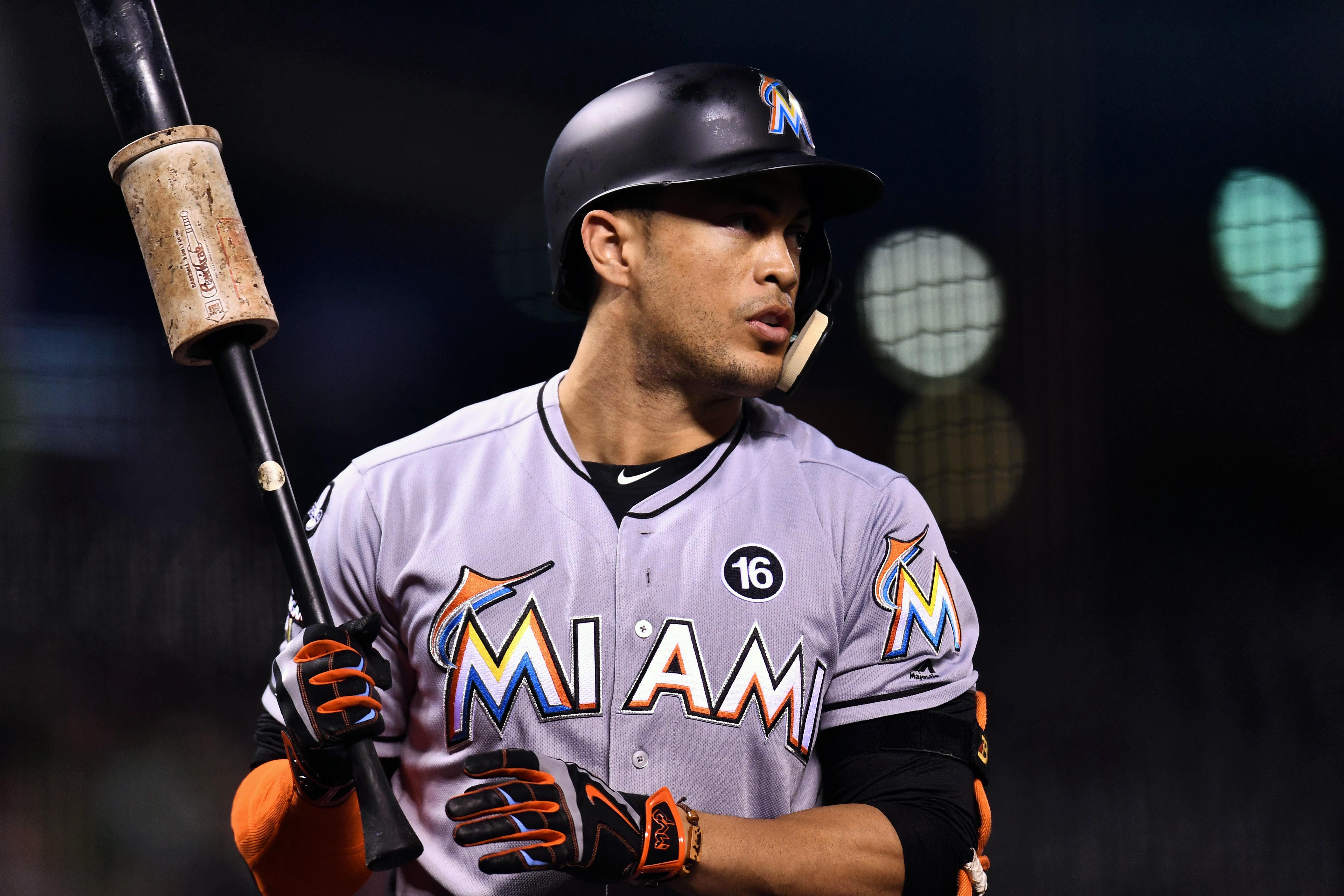 $325 million: Giancarlo Stanton, Miami Marlins (2015-2027) – traded to New York Yankees in 2017" style="max-width:100%; height:auto; border-radius:6px; margin:10px 0;" loading="lazy" />
 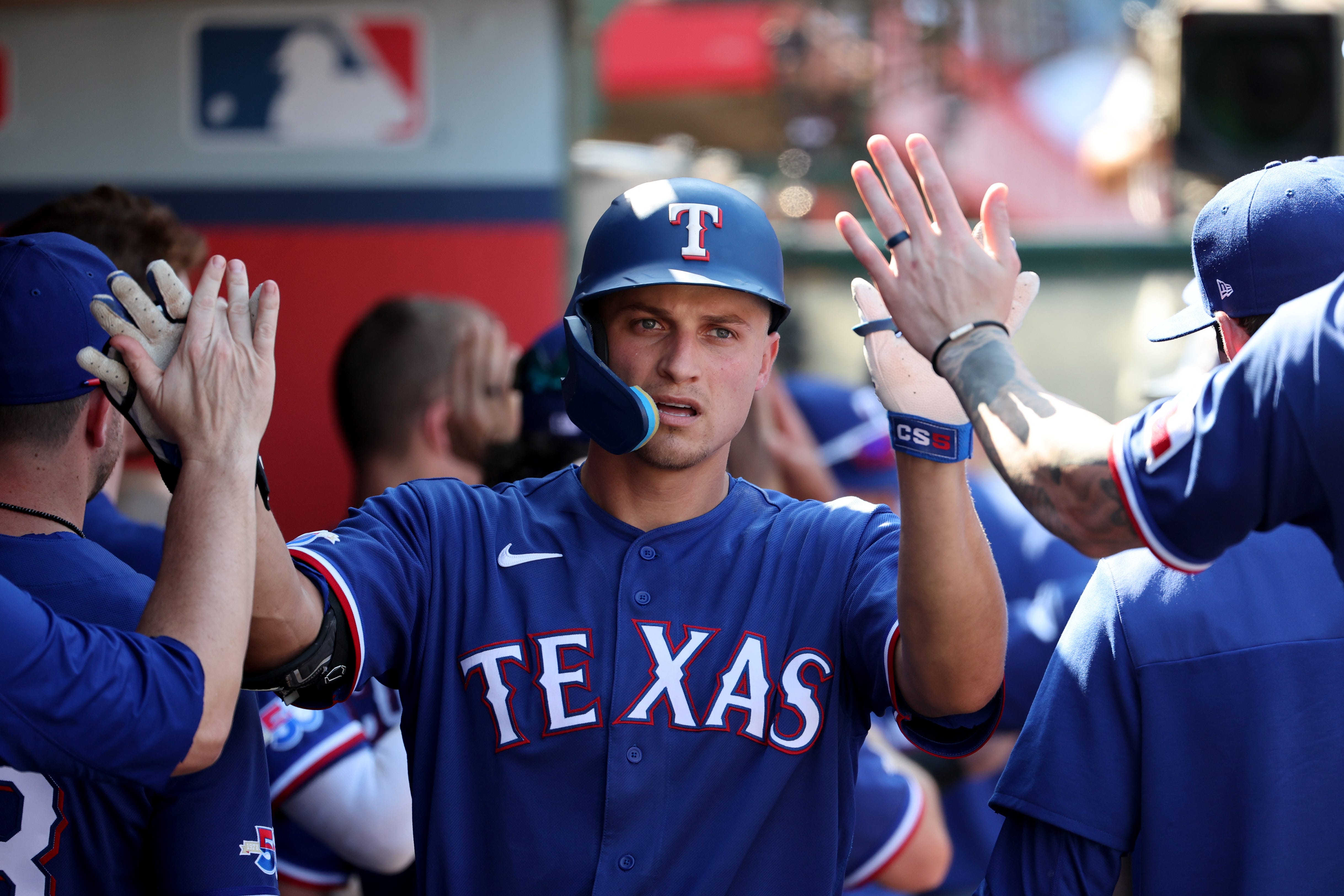 $325 million: Corey Seager, Texas Rangers (2022-31)" style="max-width:100%; height:auto; border-radius:6px; margin:10px 0;" loading="lazy" />
 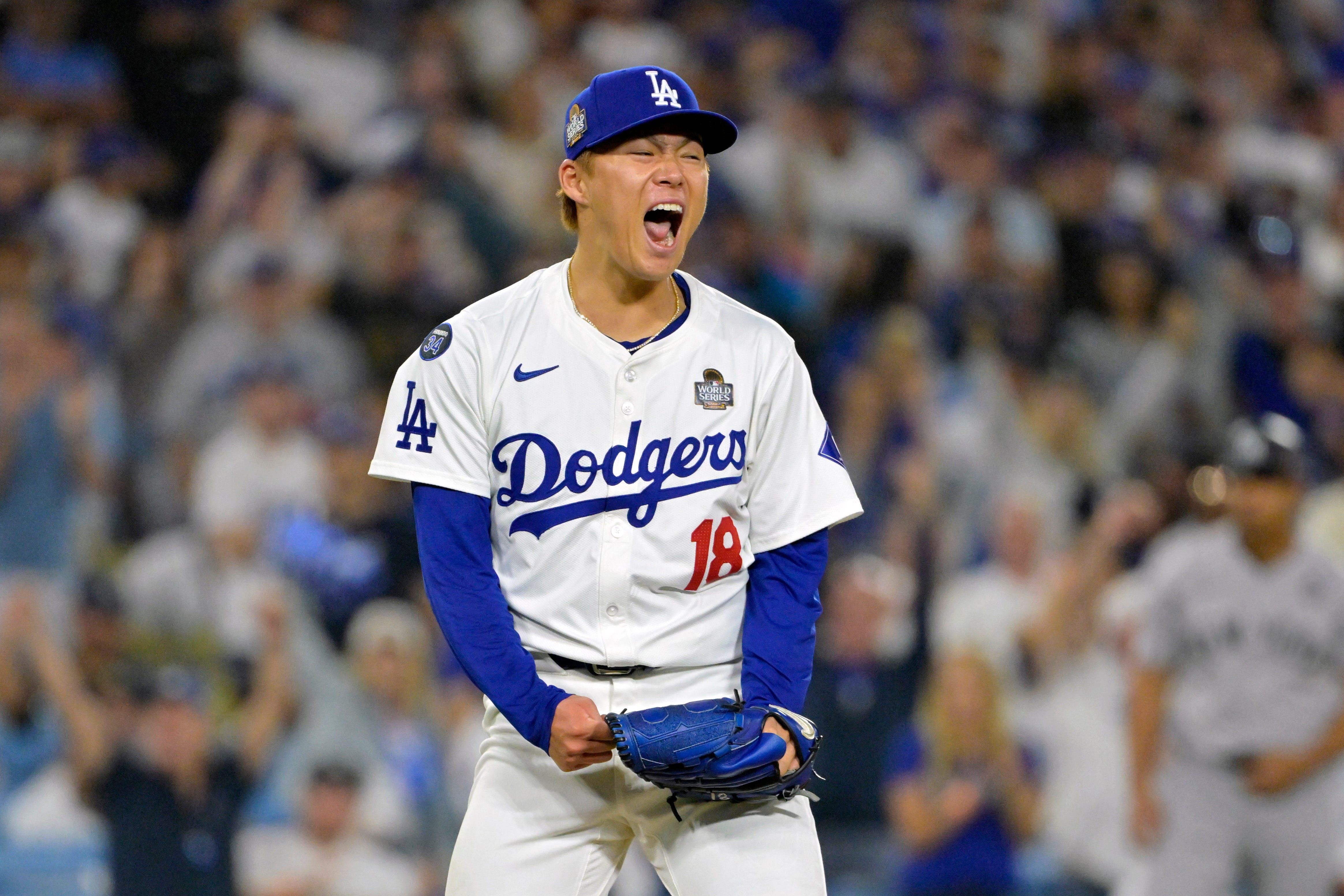 $325,000,000: Yoshinobu Yamamoto, Los Angeles Dodgers (2024-35)" style="max-width:100%; height:auto; border-radius:6px; margin:10px 0;" loading="lazy" />
 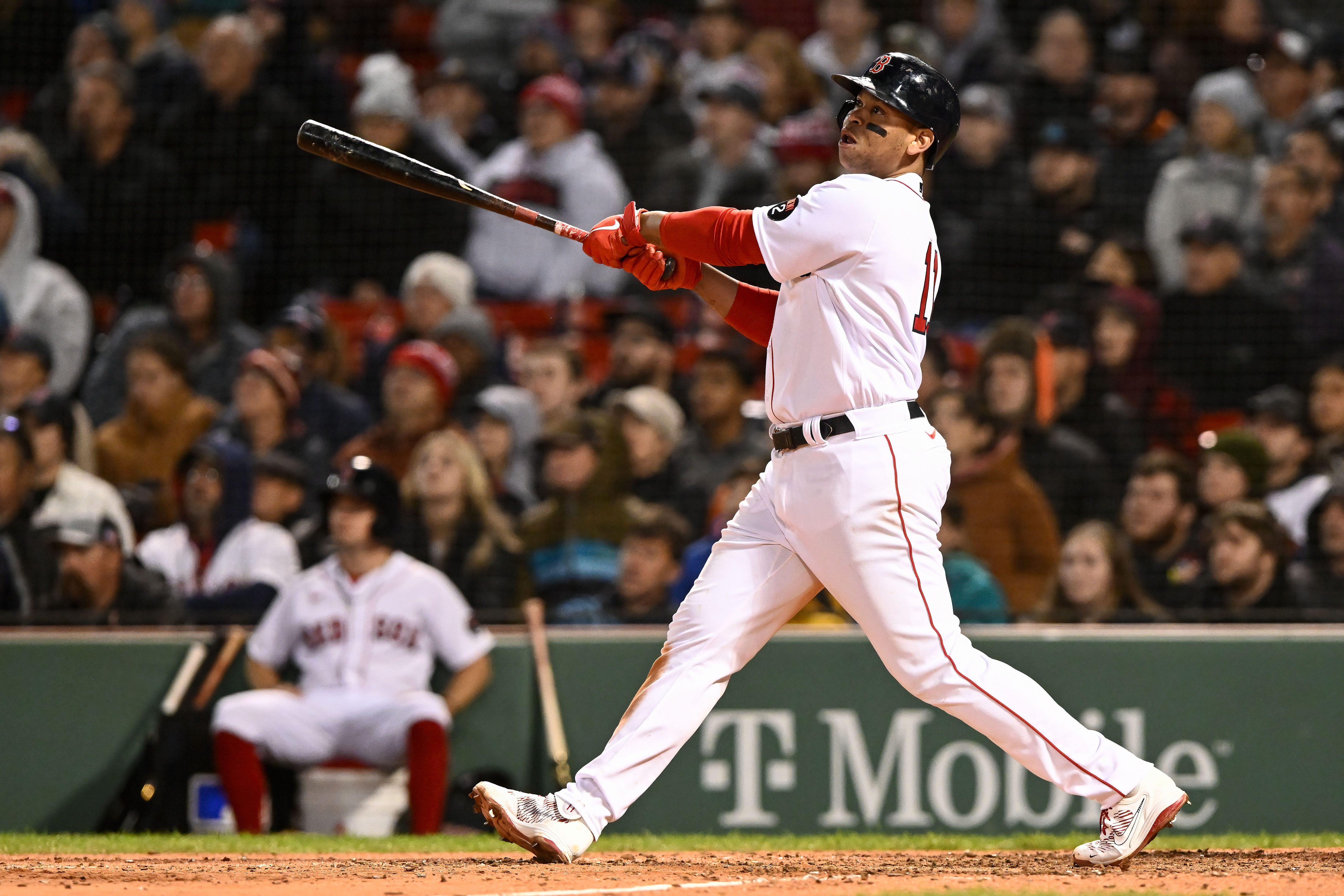 $313.5 million: Rafael Devers, Boston Red Sox (2024-33) - traded to San Francisco Giants in 2025" style="max-width:100%; height:auto; border-radius:6px; margin:10px 0;" loading="lazy" />
 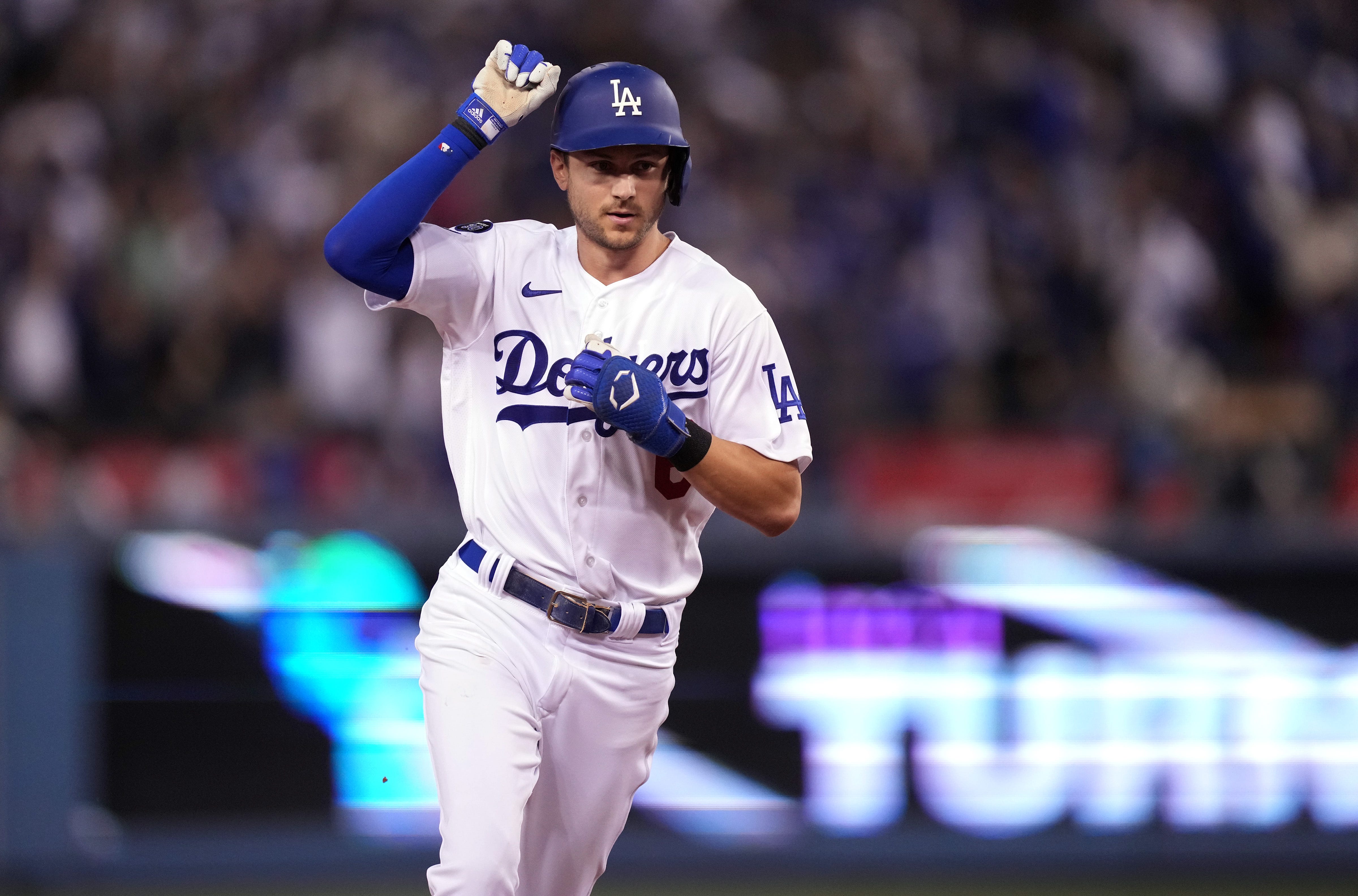 $300 million: Trea Turner, Philadelphia Phillies (2023-33)" style="max-width:100%; height:auto; border-radius:6px; margin:10px 0;" loading="lazy" />
 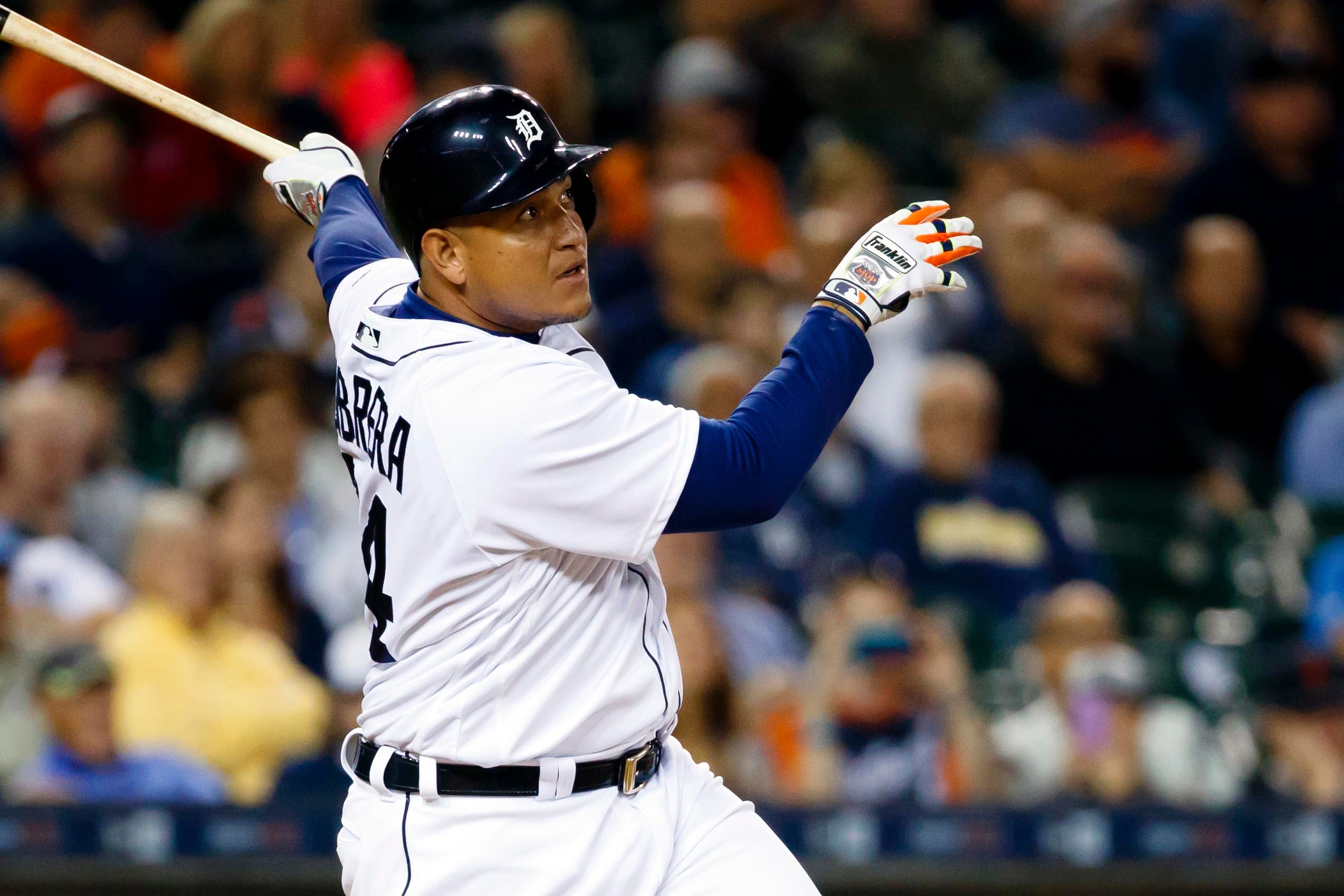 $292 million: Miguel Cabrera, Detroit Tigers (2014-2023)* includes extension" style="max-width:100%; height:auto; border-radius:6px; margin:10px 0;" loading="lazy" />
 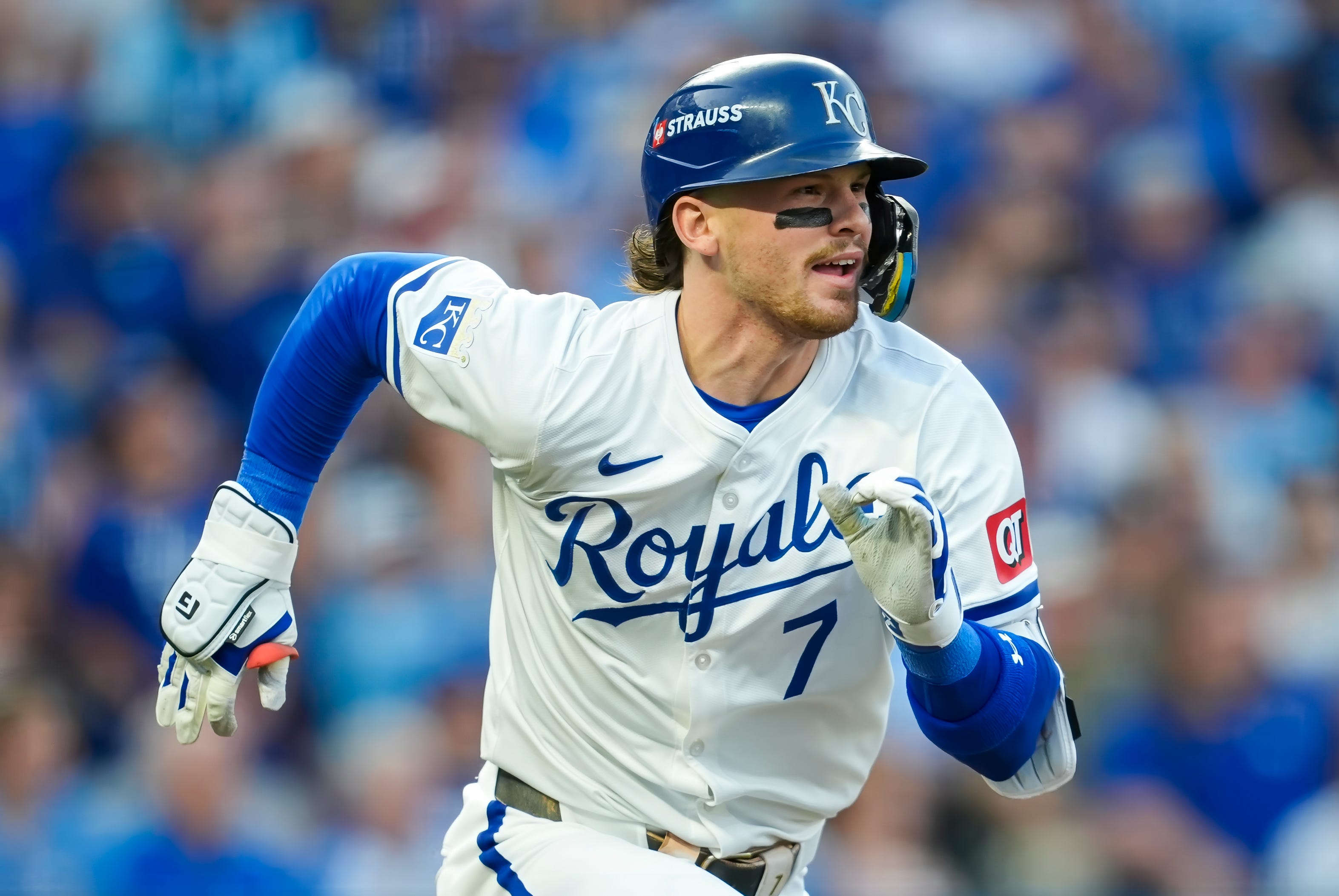 $288,777,777: Bobby Witt Jr., Kansas City Royals (2024-34)" style="max-width:100%; height:auto; border-radius:6px; margin:10px 0;" loading="lazy" />
 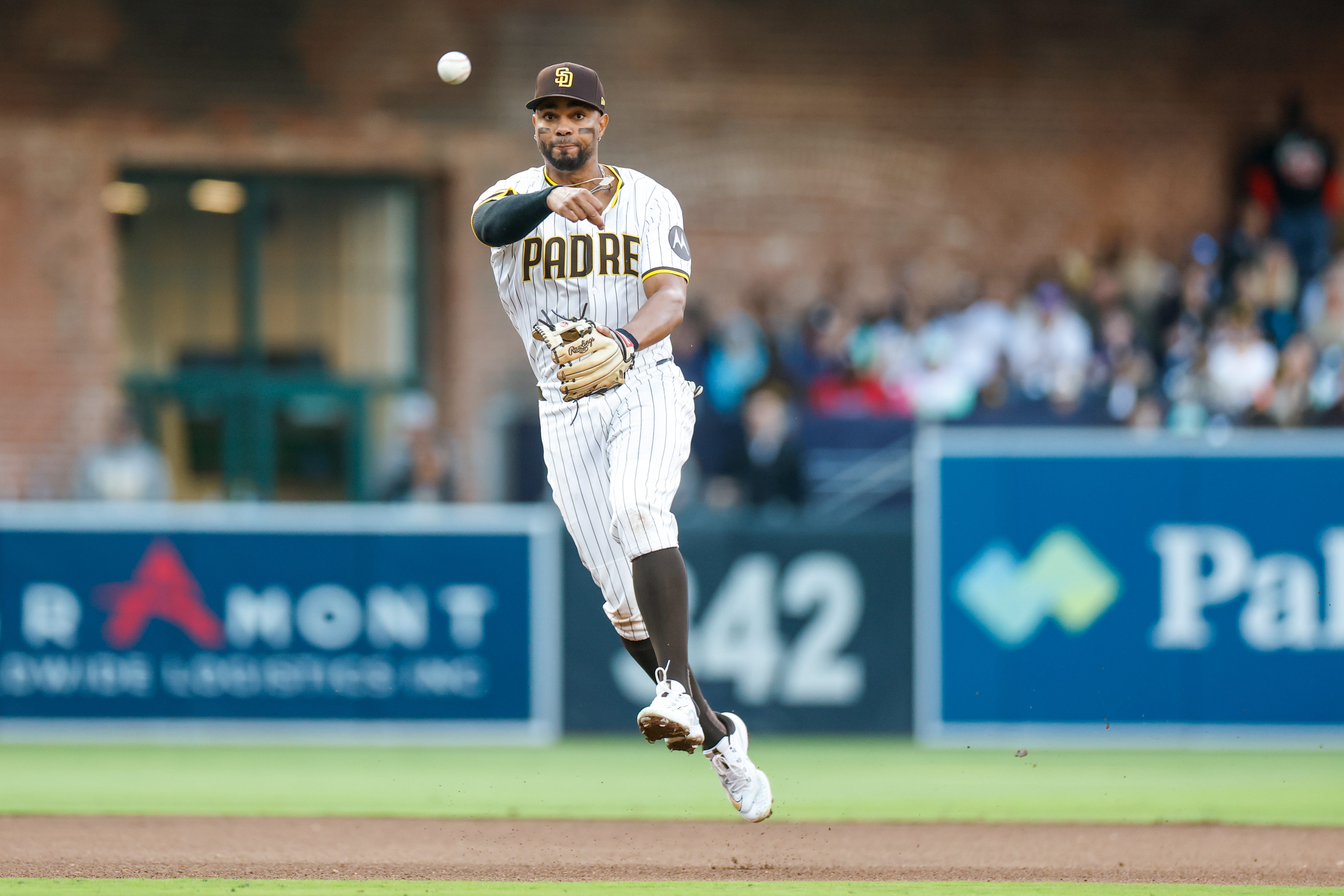 $280 million: Xander Bogaerts, San Diego Padres (2023-33)" style="max-width:100%; height:auto; border-radius:6px; margin:10px 0;" loading="lazy" />
 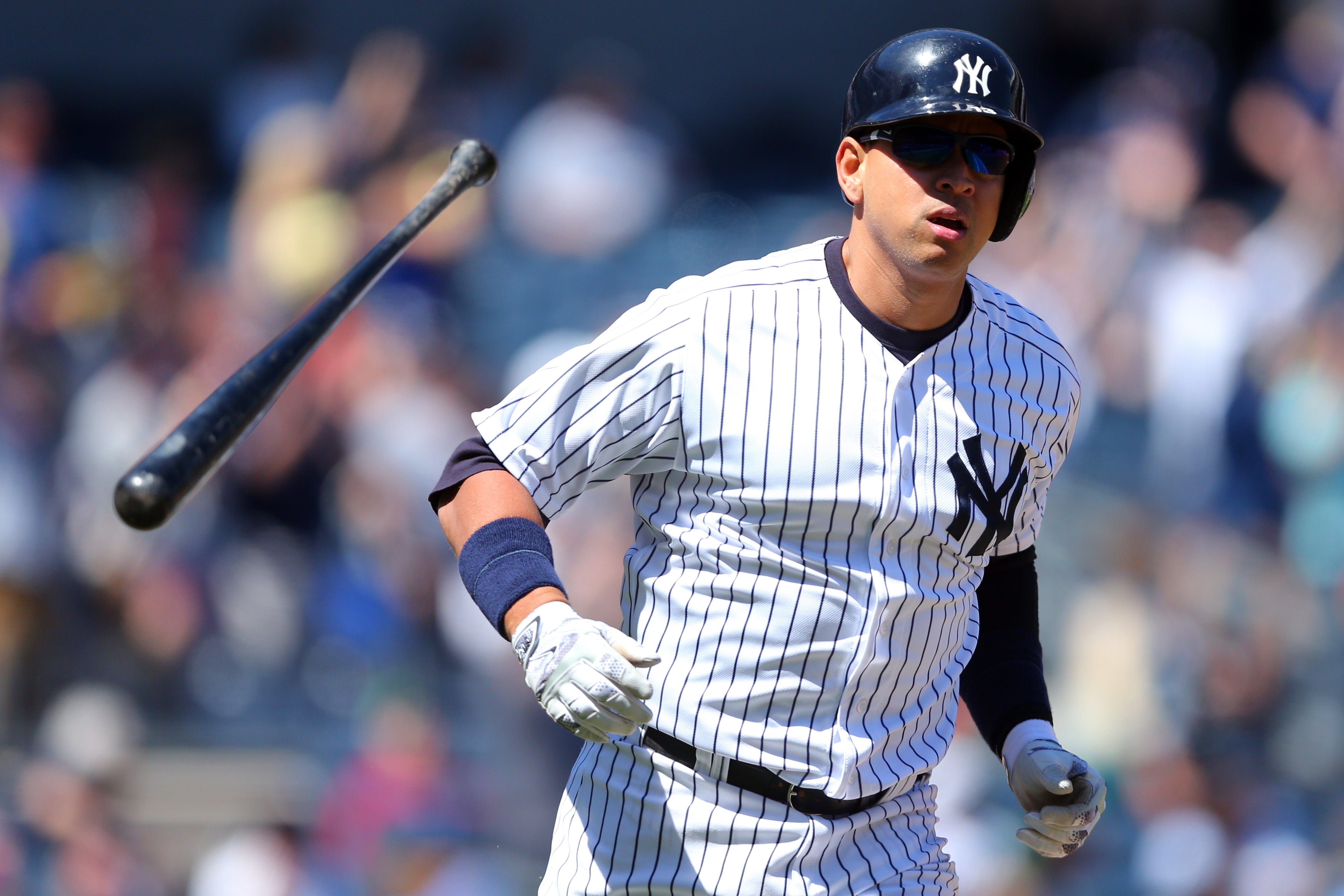 $275 million: Alex Rodriguez, New York Yankees (2008-2017)" style="max-width:100%; height:auto; border-radius:6px; margin:10px 0;" loading="lazy" />
 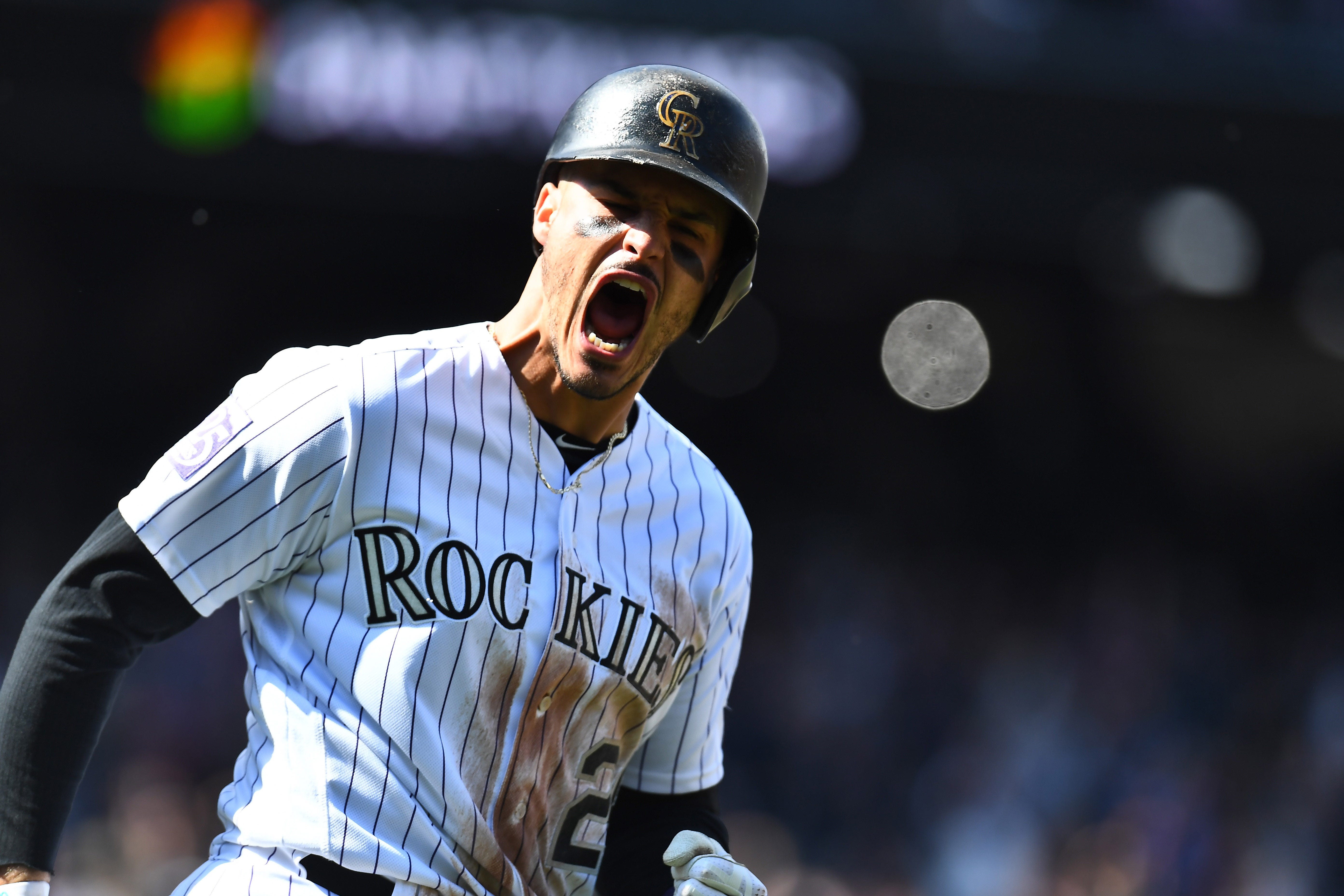 $260 million: Nolan Arenado, Colorado Rockies (2019-26) - traded to St. Louis Cardinals in 2021, traded to Arizona Diamondbacks in 2026" style="max-width:100%; height:auto; border-radius:6px; margin:10px 0;" loading="lazy" />
 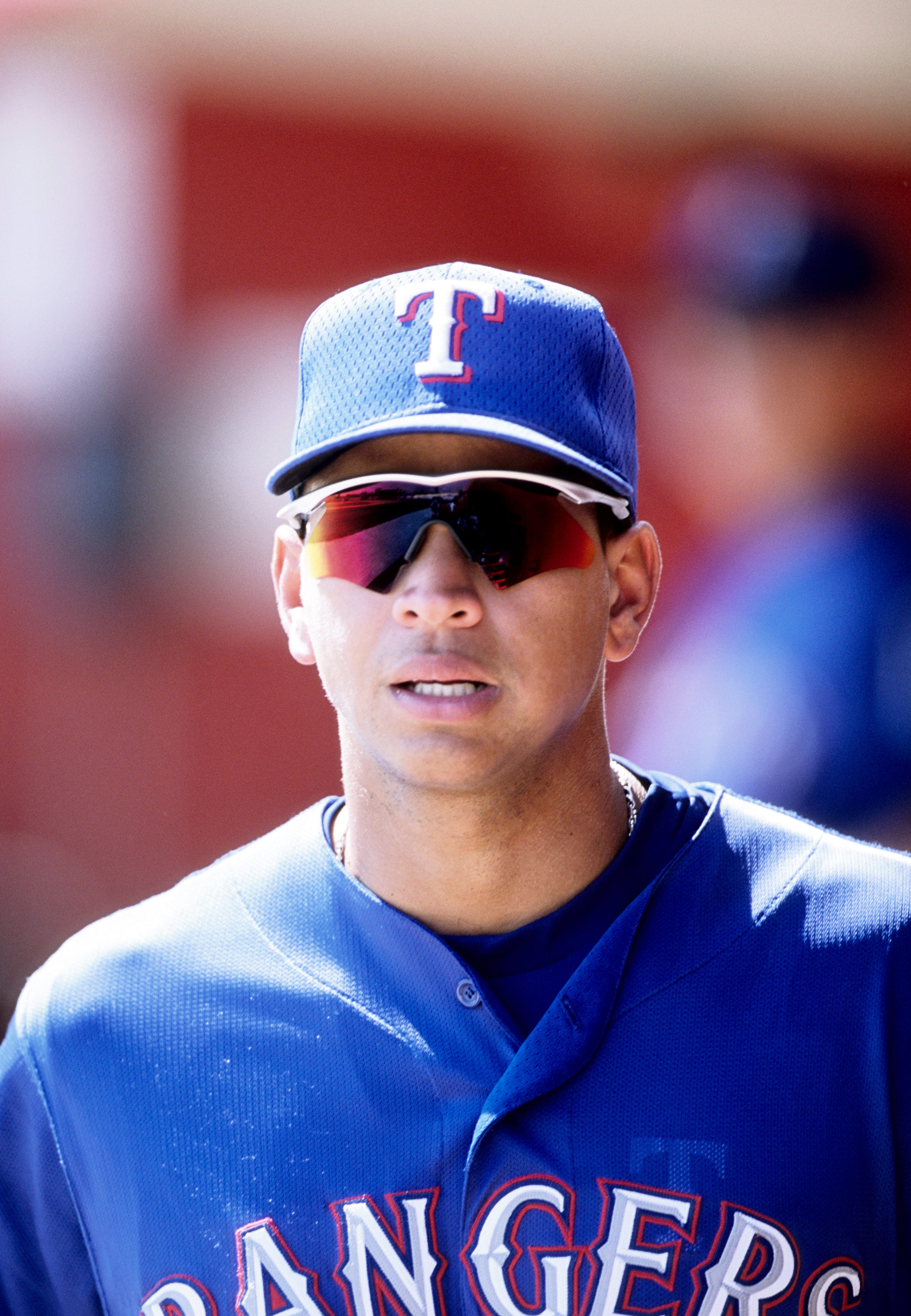 $252,000,000: Alex Rodriguez, Texas Rangers (2001-10)" style="max-width:100%; height:auto; border-radius:6px; margin:10px 0;" loading="lazy" />
 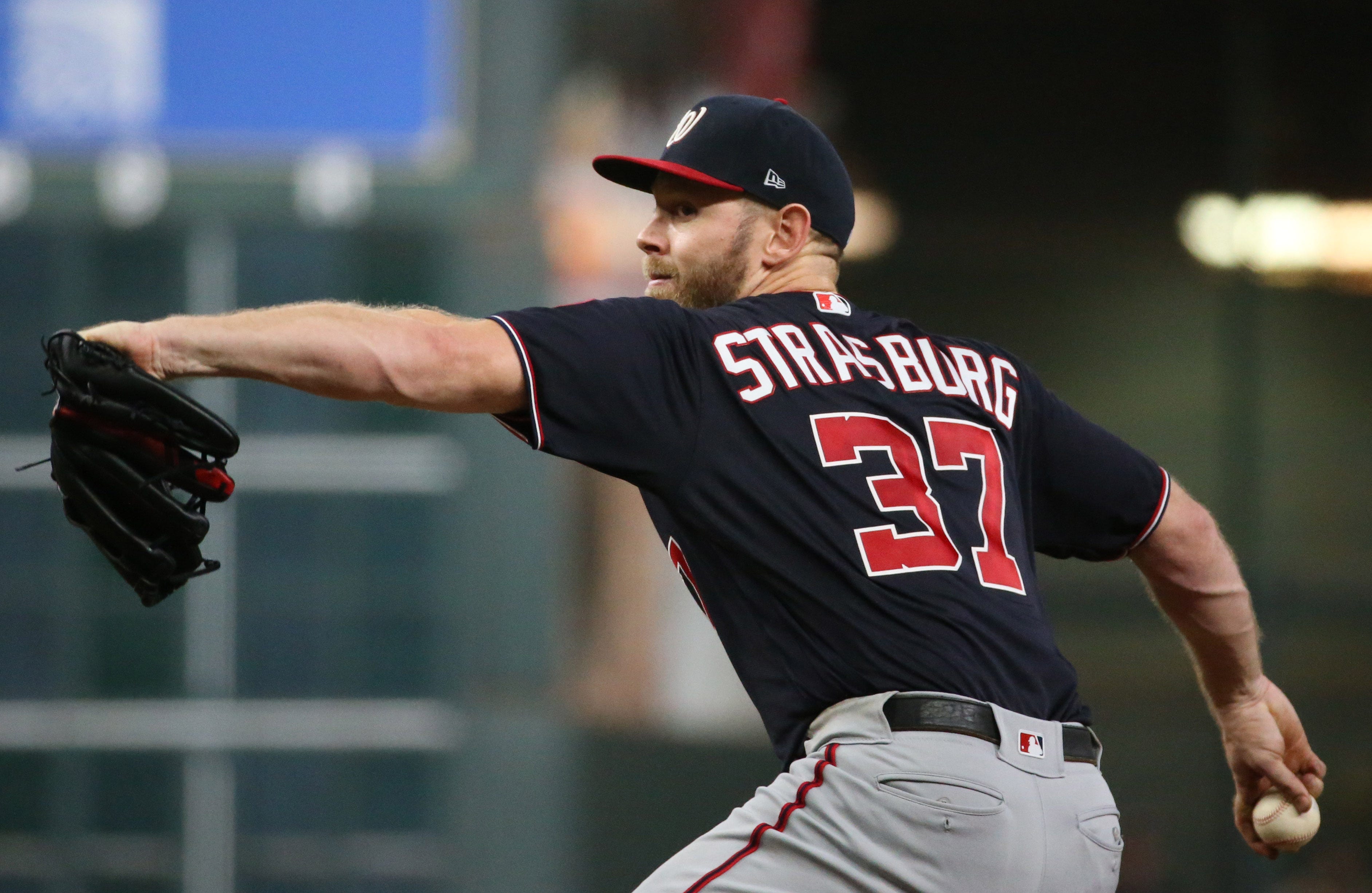 $245 million: Stephen Strasburg, Washington Nationals (2020-26)" style="max-width:100%; height:auto; border-radius:6px; margin:10px 0;" loading="lazy" />
 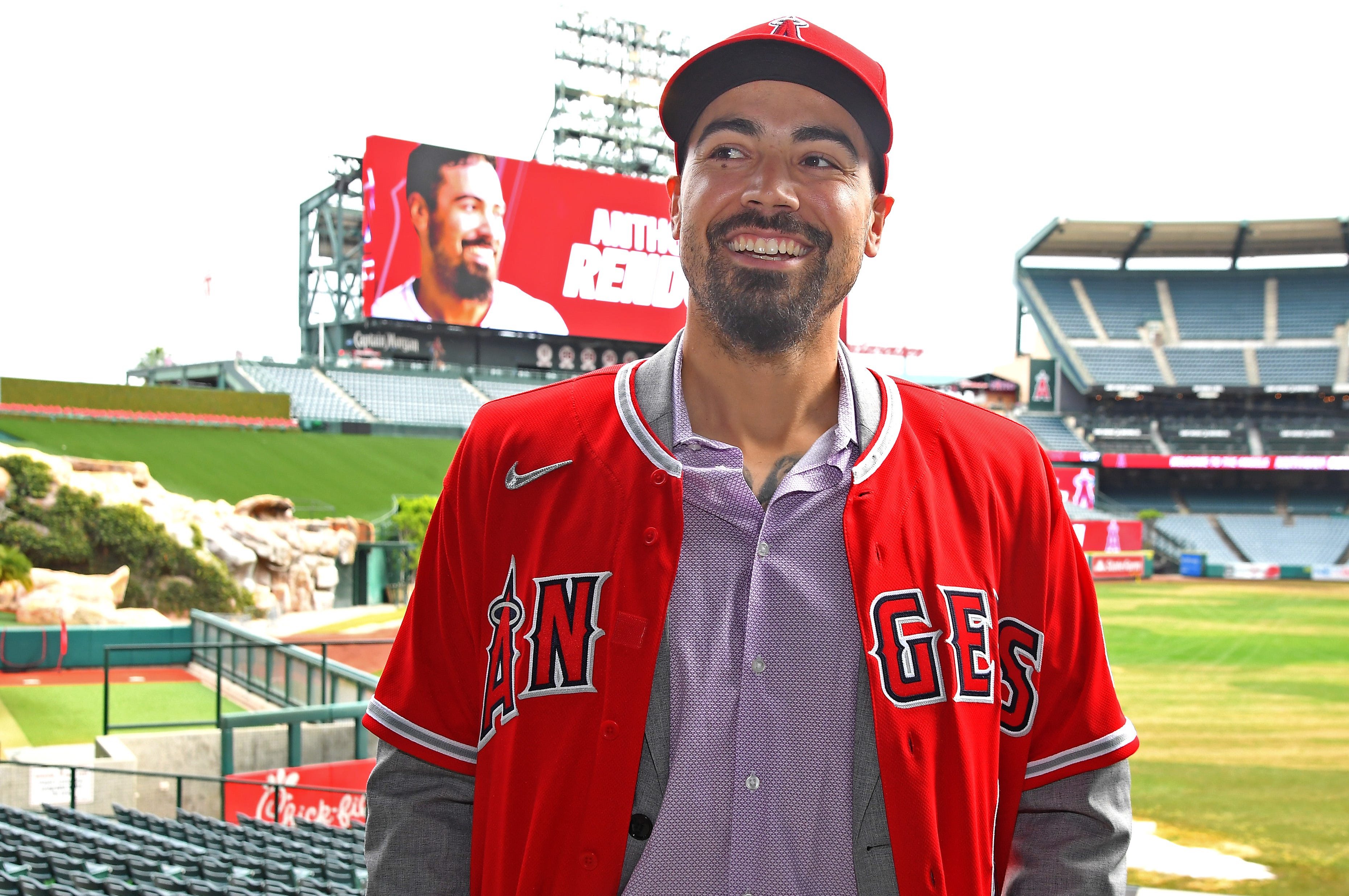 $245 million: Anthony Rendon, Los Angeles Angels (2020-26)" style="max-width:100%; height:auto; border-radius:6px; margin:10px 0;" loading="lazy" />
 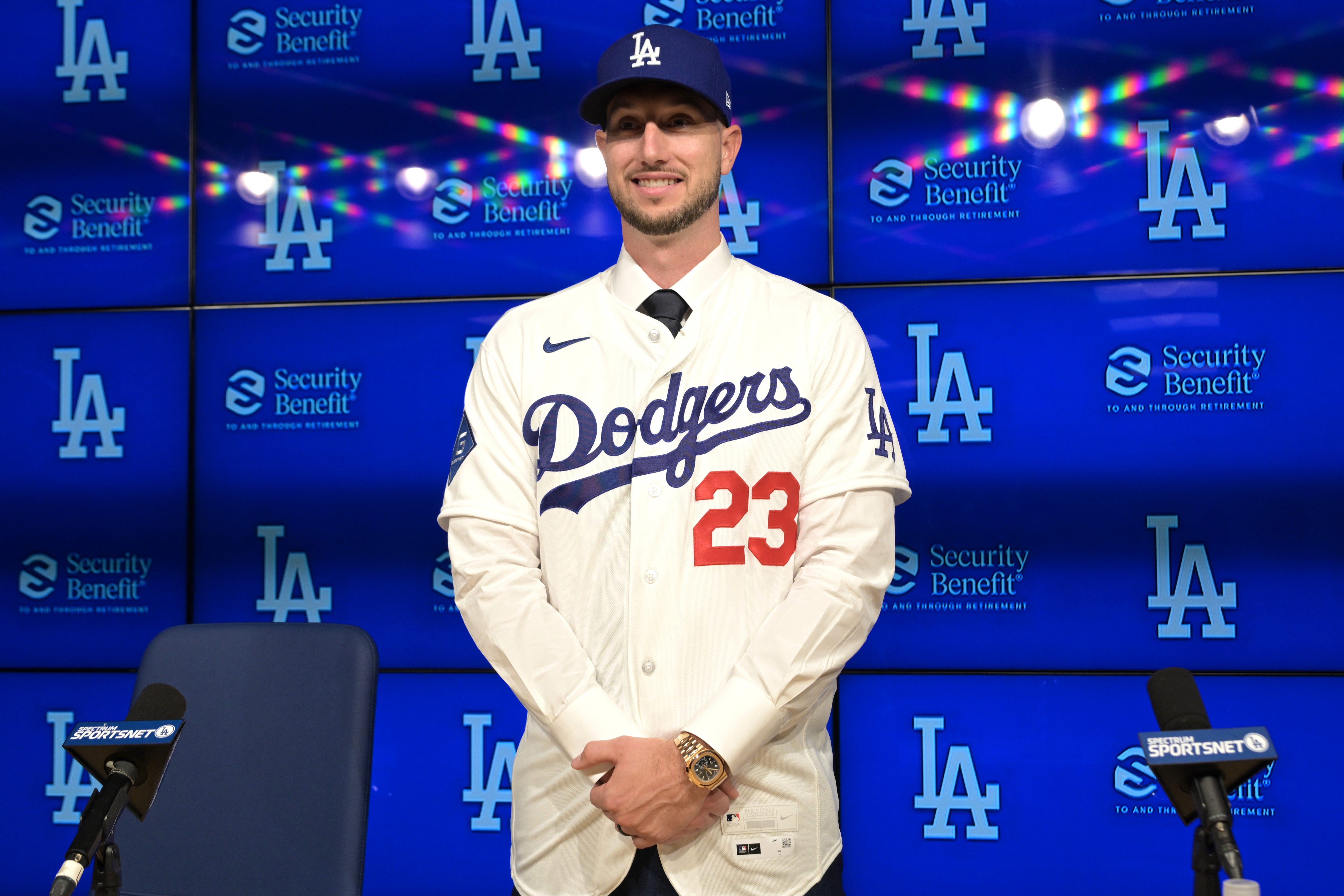 $240,000,000: Kyle Tucker, Los Angeles Dodgers (2026-29)" style="max-width:100%; height:auto; border-radius:6px; margin:10px 0;" loading="lazy" />
 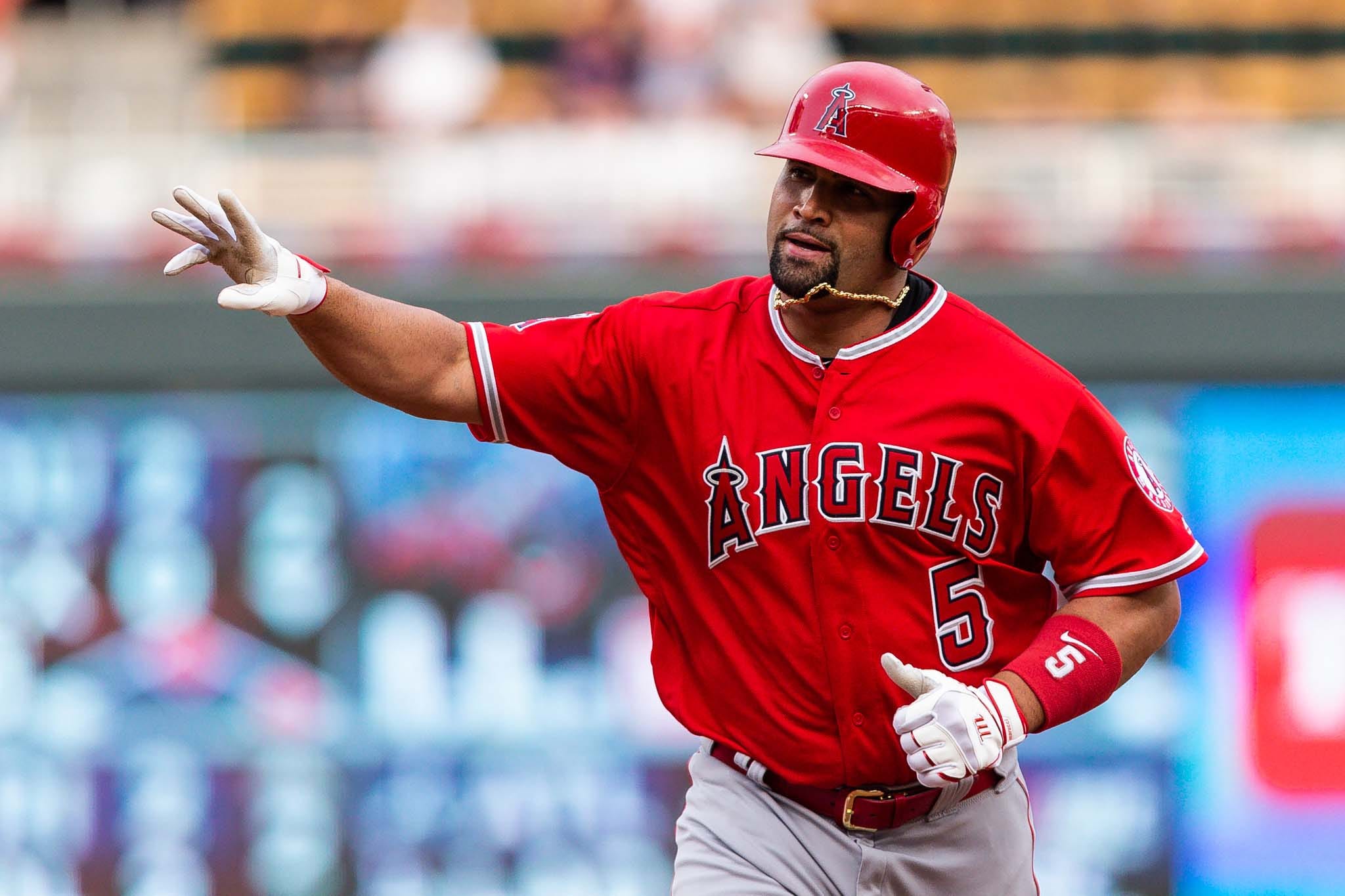 $240 million: Albert Pujols, Los Angeles Angels (2012-2021)" style="max-width:100%; height:auto; border-radius:6px; margin:10px 0;" loading="lazy" />
 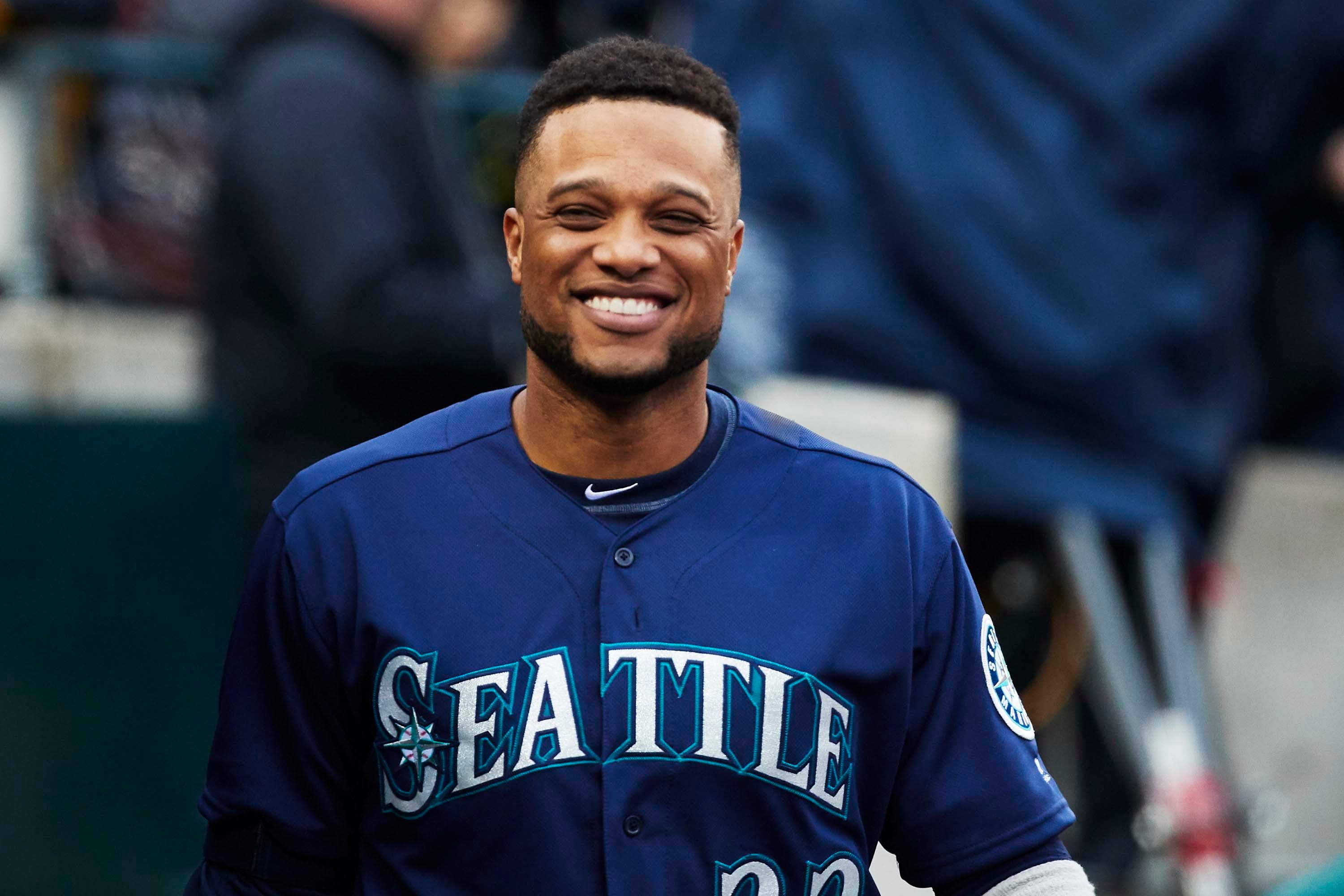 $240 million: Robinson Cano, Seattle Mariners (2014-2023) – traded to New York Mets in 2019" style="max-width:100%; height:auto; border-radius:6px; margin:10px 0;" loading="lazy" />
 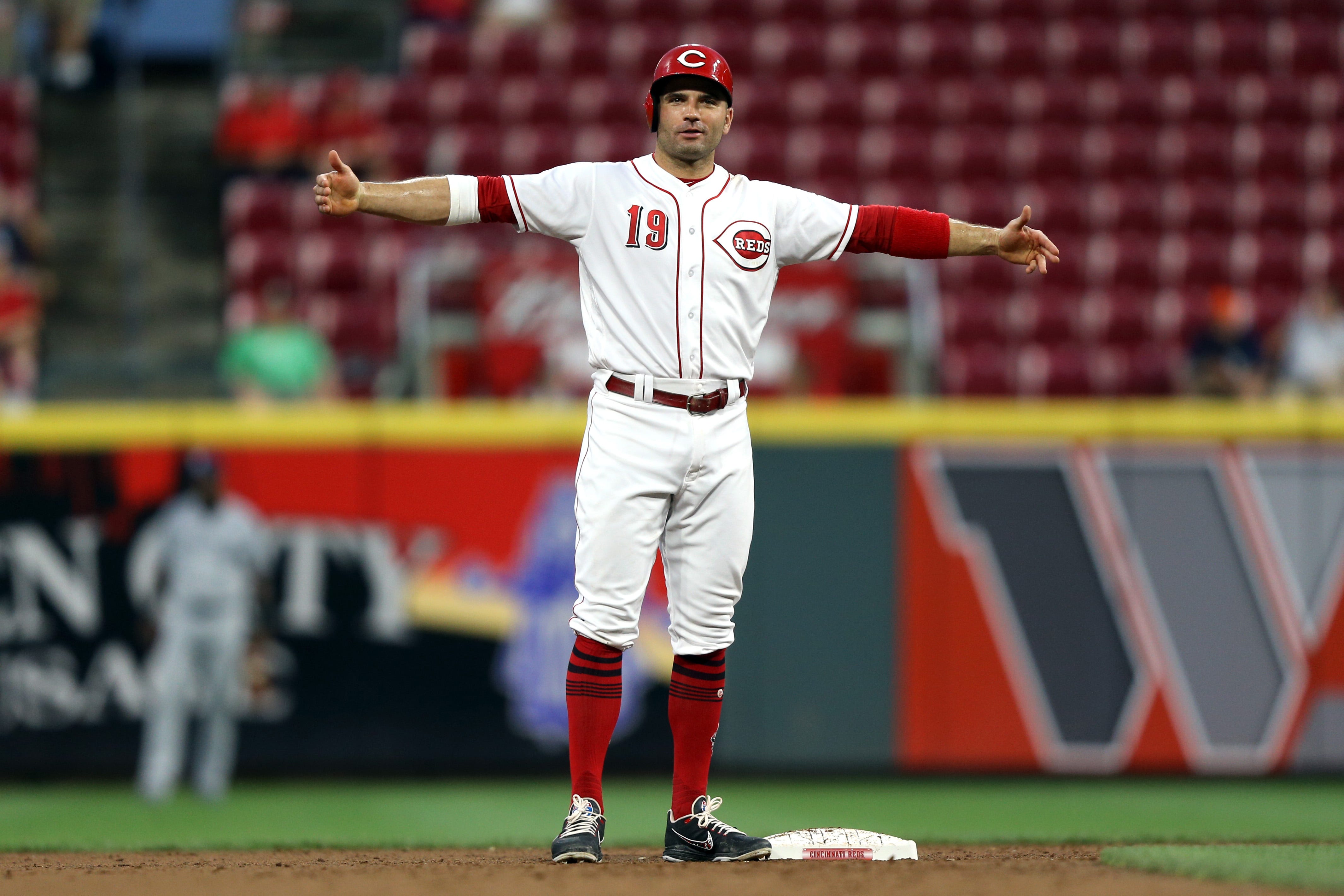 $225 million: Joey Votto, Cincinnati Reds (2012-2021)" style="max-width:100%; height:auto; border-radius:6px; margin:10px 0;" loading="lazy" />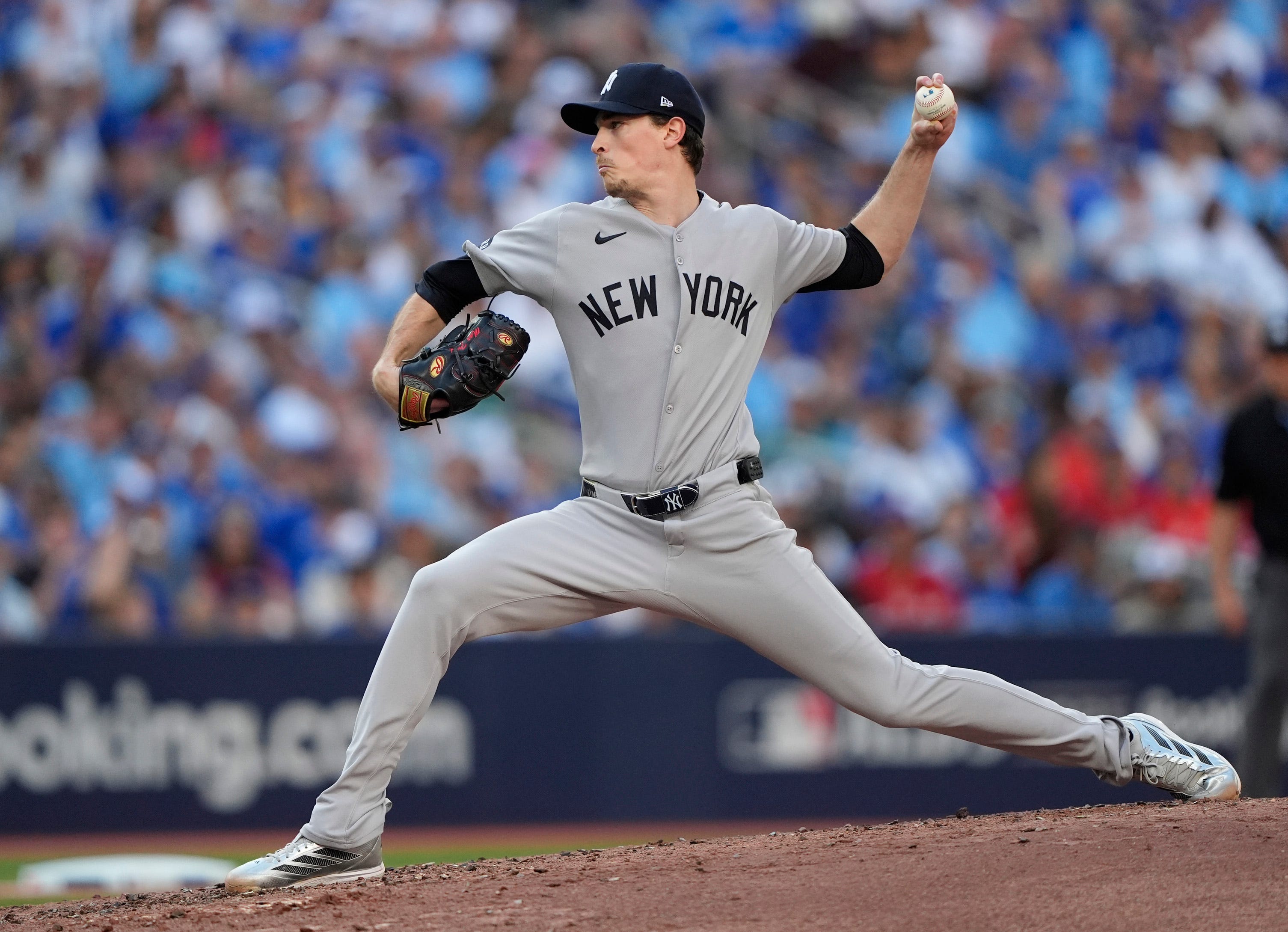
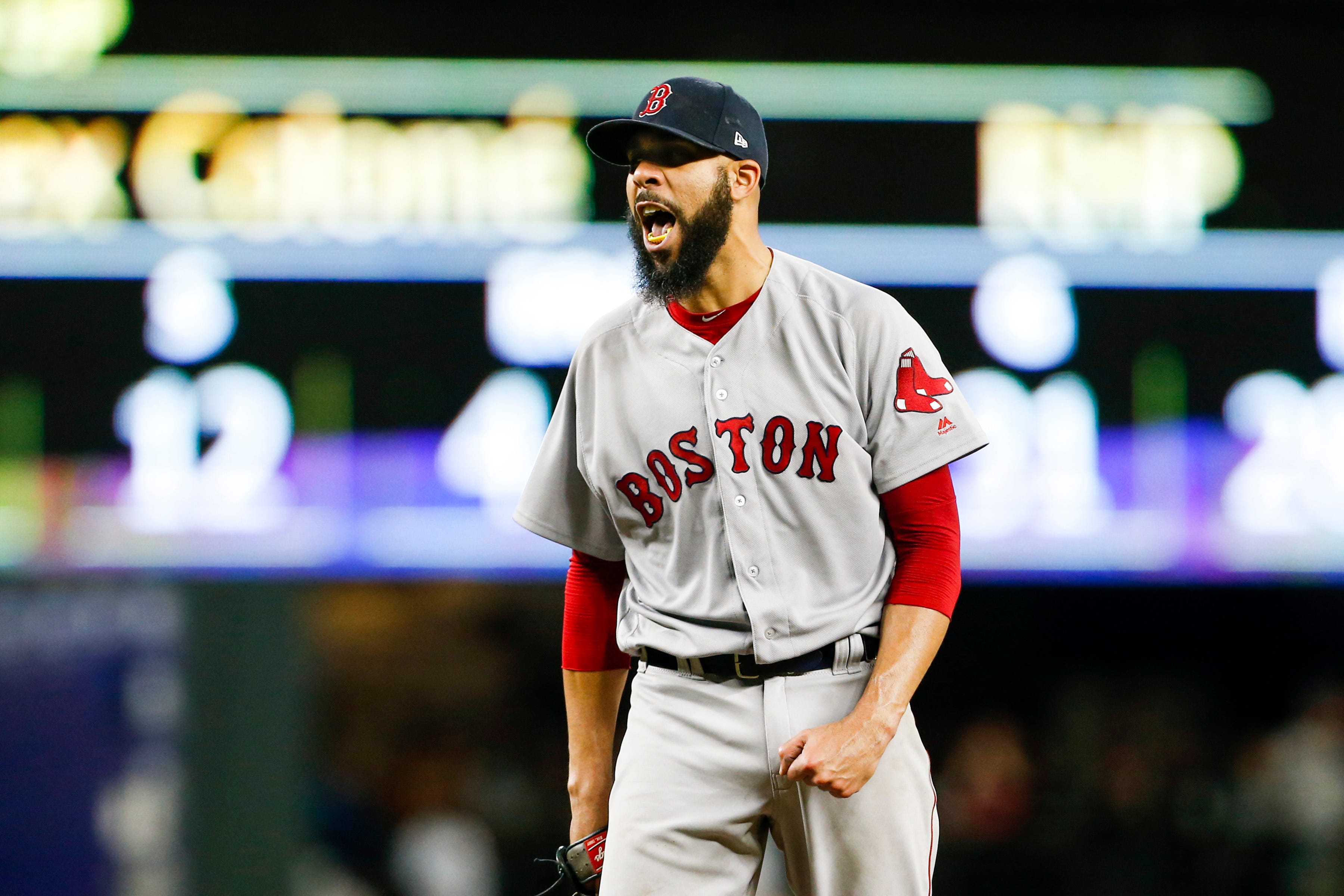 $217 million: David Price, Boston Red Sox (2016-2022) – traded to Los Angeles Dodgers in 2020" style="max-width:100%; height:auto; border-radius:6px; margin:10px 0;" loading="lazy" />
 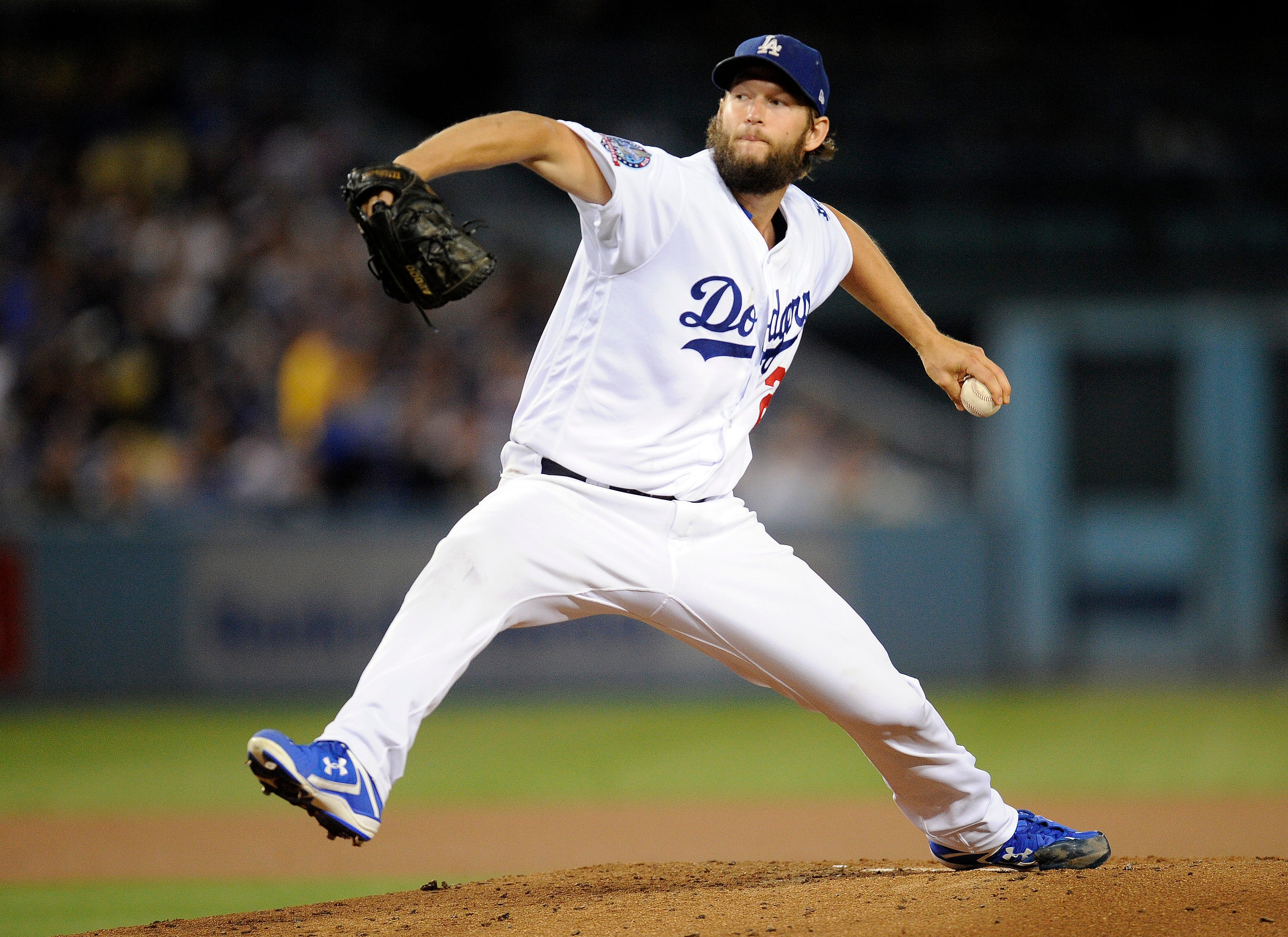 $215 million: Clayton Kershaw, Los Angeles Dodgers (2014-2020)" style="max-width:100%; height:auto; border-radius:6px; margin:10px 0;" loading="lazy" />
 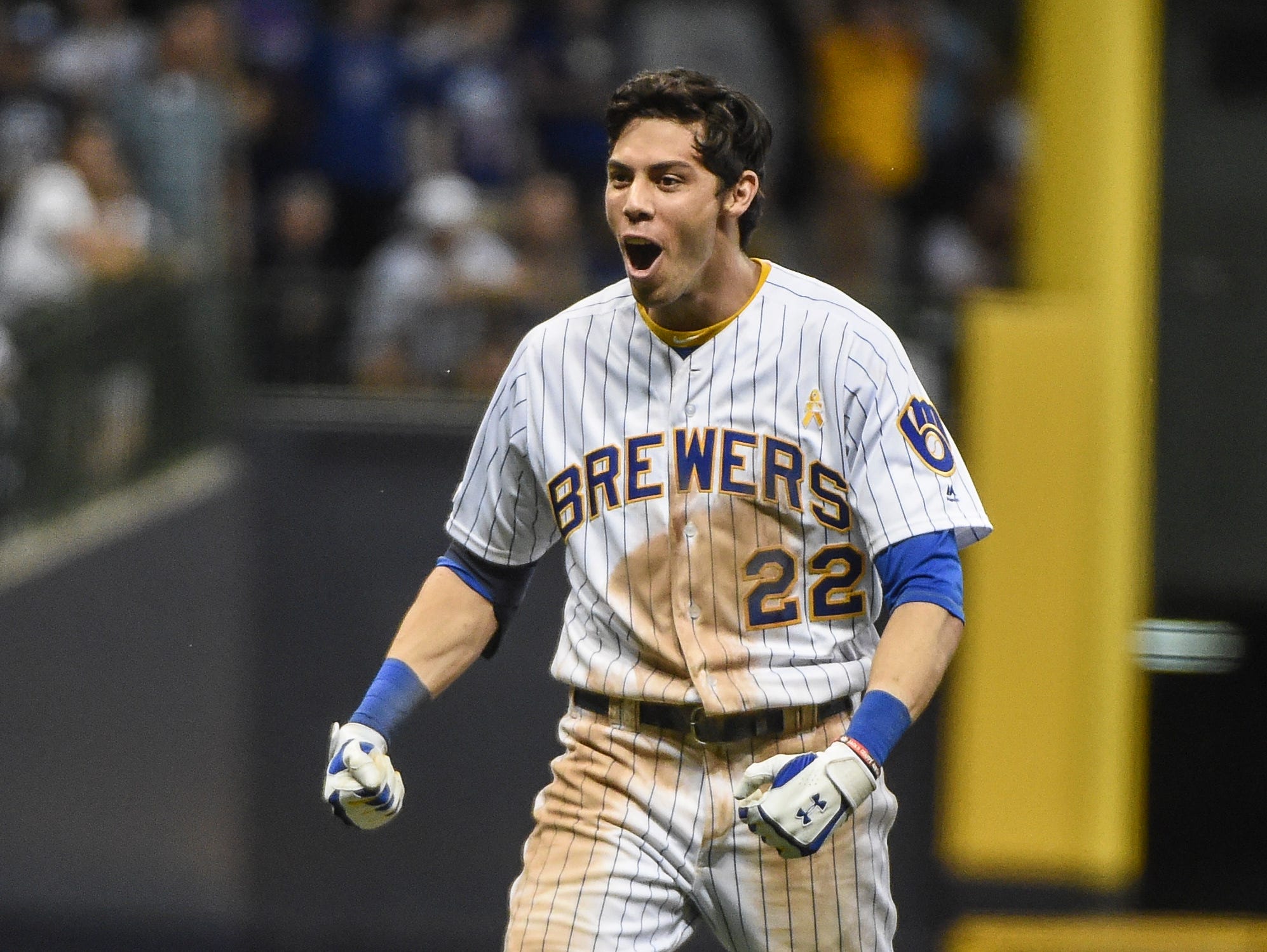 $215 million: Christian Yelich, Milwaukee Brewers (2020-28)" style="max-width:100%; height:auto; border-radius:6px; margin:10px 0;" loading="lazy" />
 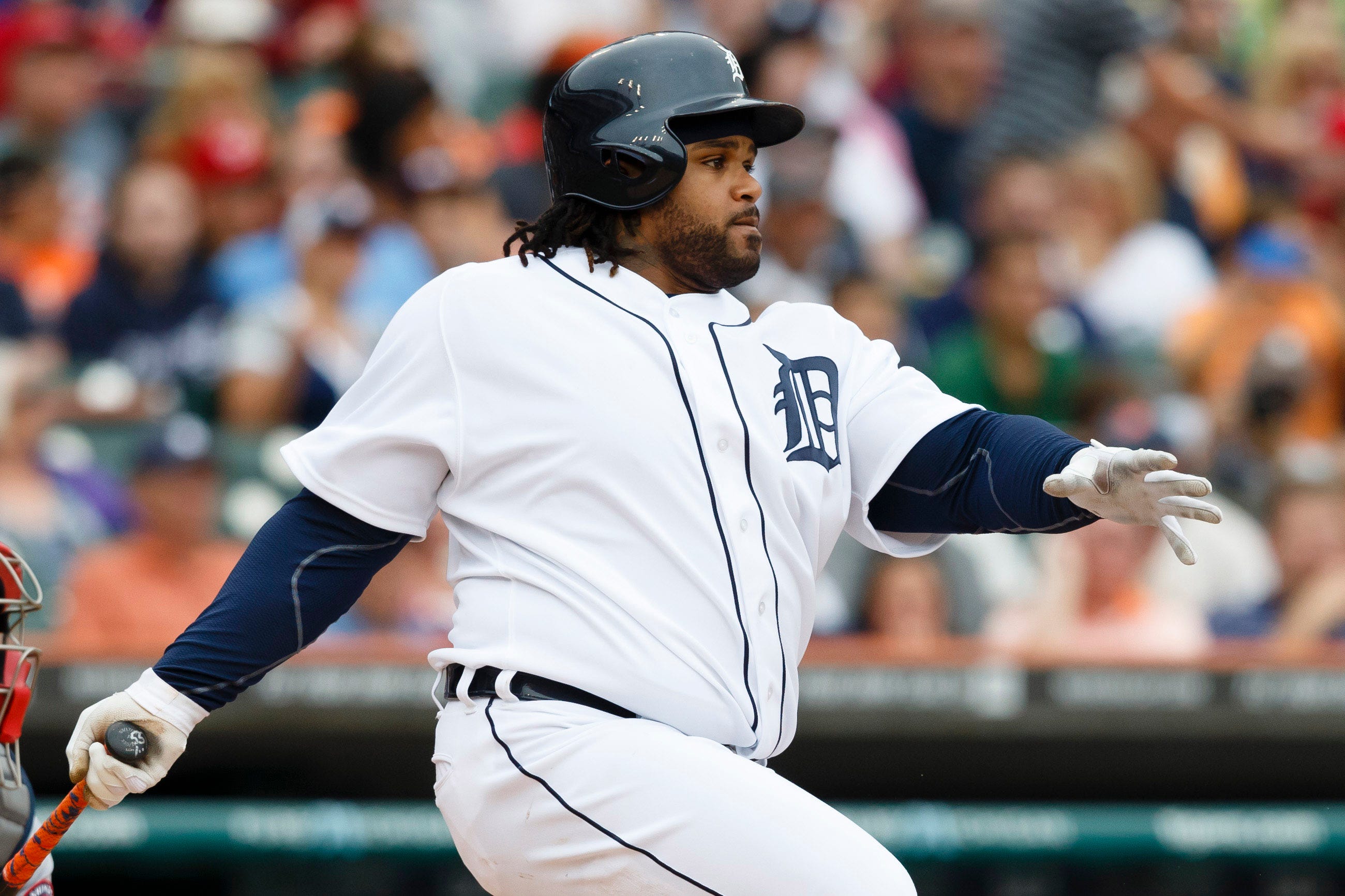 $214 million: Prince Fielder, Detroit Tigers (2012-2020) – traded to Texas Rangers in 2013" style="max-width:100%; height:auto; border-radius:6px; margin:10px 0;" loading="lazy" />
 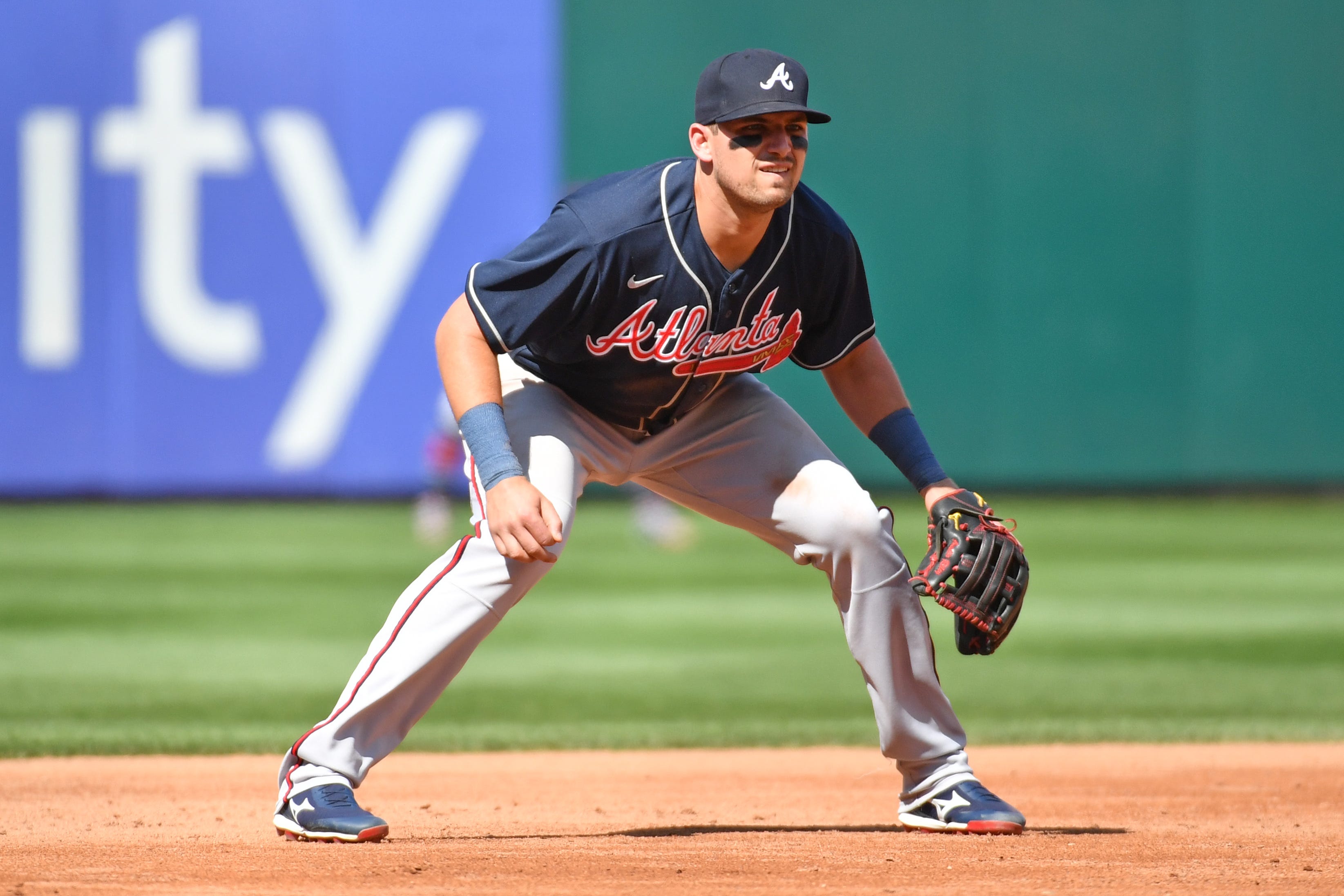 $212 million: Austin Riley, Atlanta Braves (2023-32)" style="max-width:100%; height:auto; border-radius:6px; margin:10px 0;" loading="lazy" />
 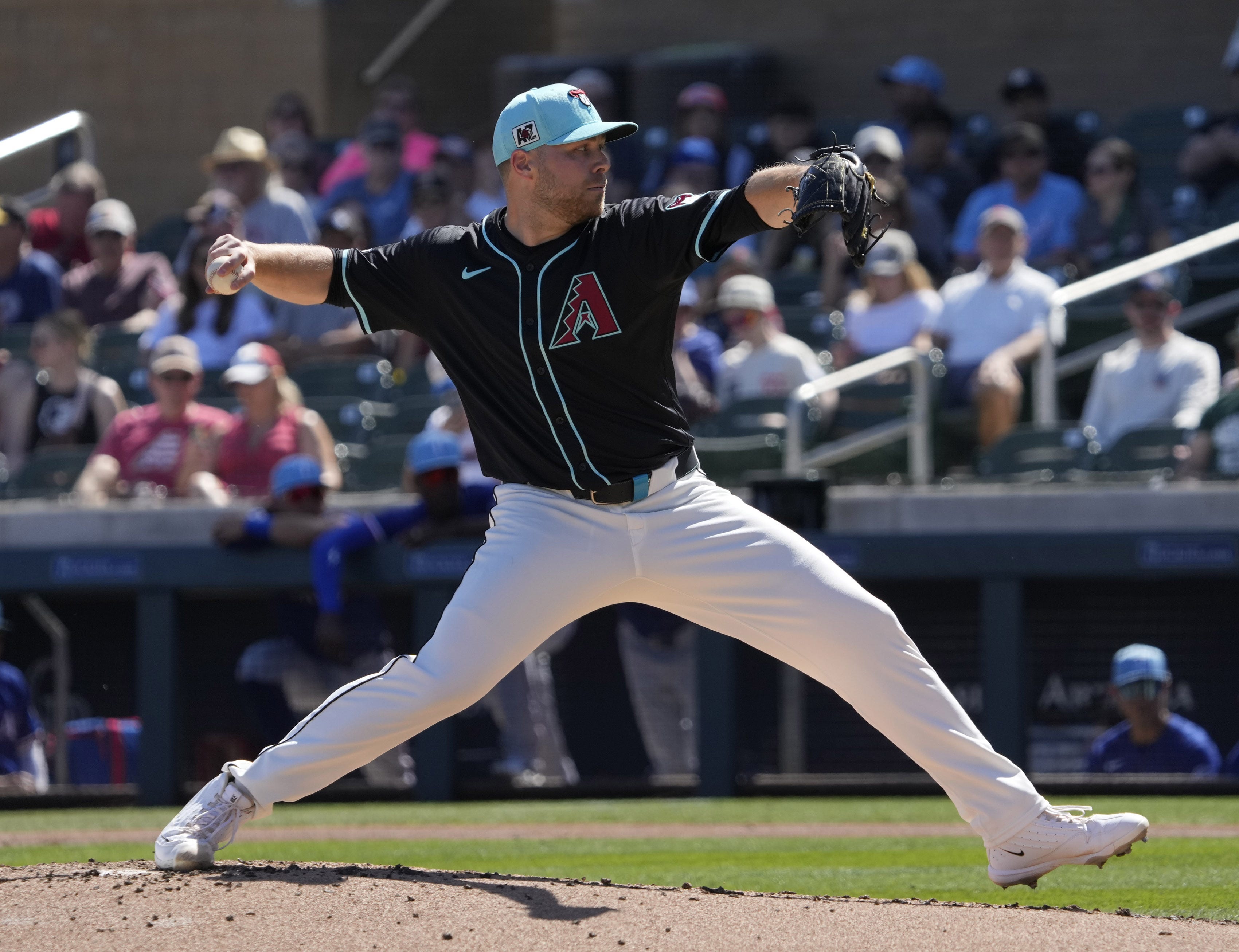 $210 million: Corbin Burnes, Arizona Diamondbacks (2025-30)" style="max-width:100%; height:auto; border-radius:6px; margin:10px 0;" loading="lazy" />
 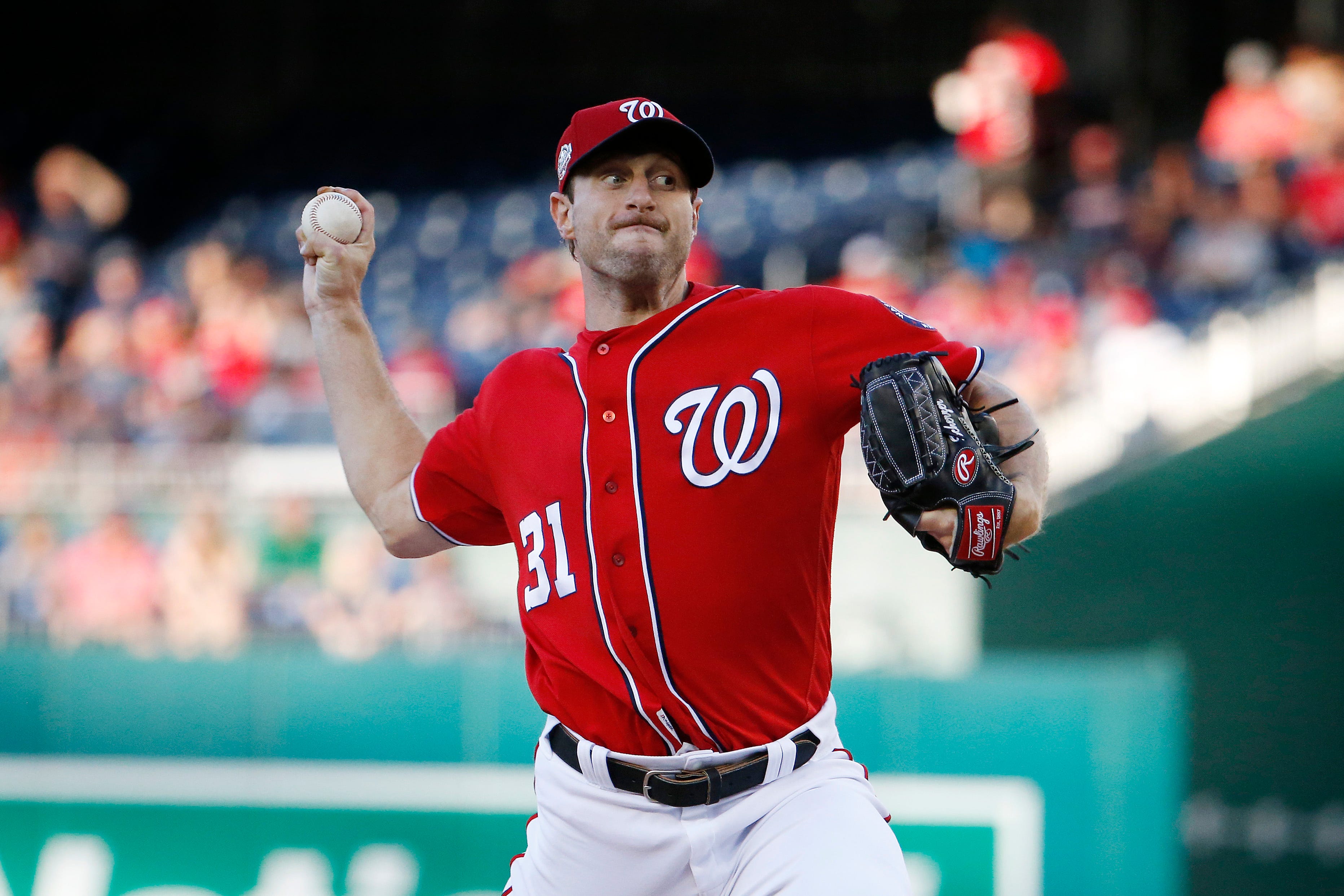 $210 million: Max Scherzer, Washington Nationals (2015-2021)" style="max-width:100%; height:auto; border-radius:6px; margin:10px 0;" loading="lazy" />
 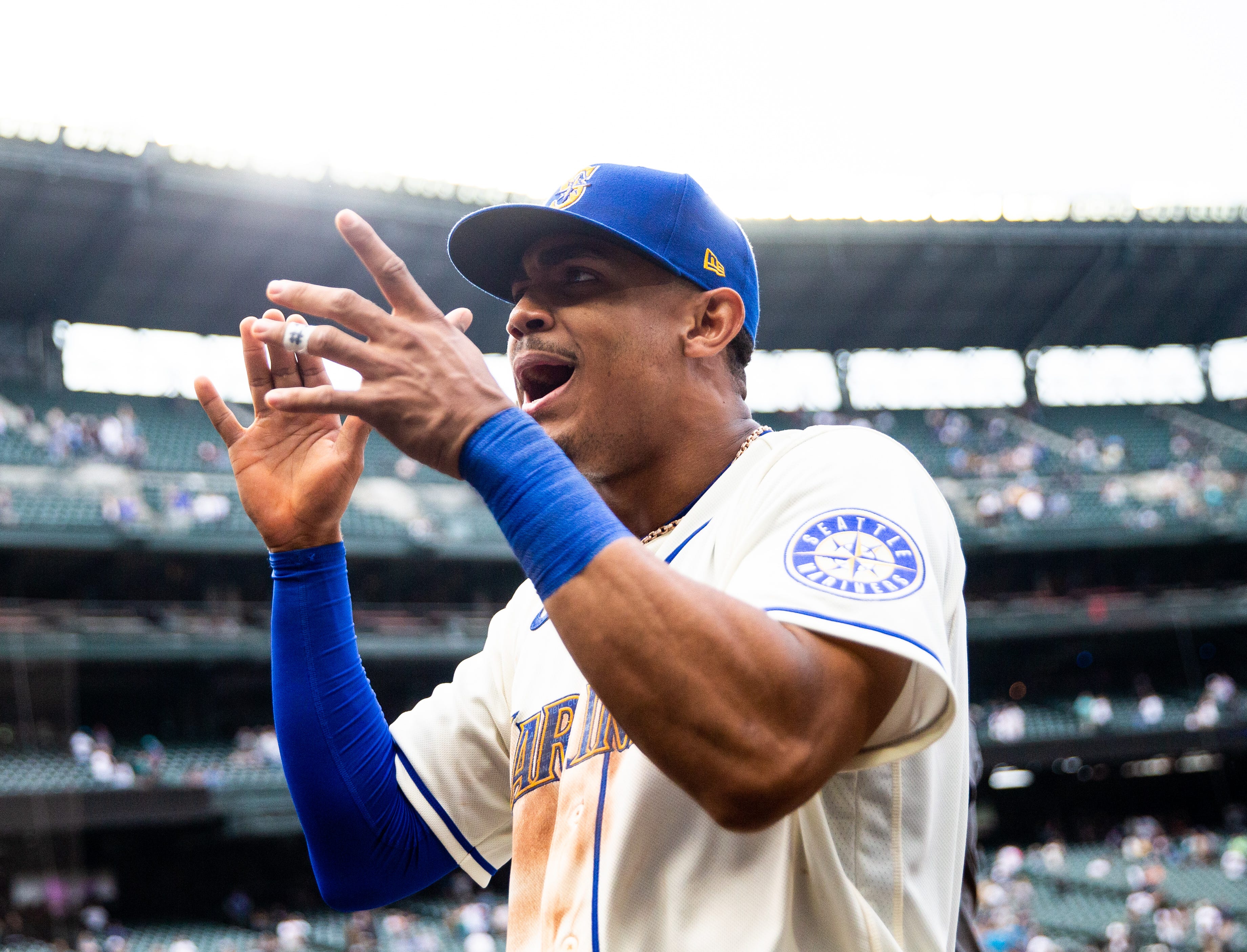 $209.3 million: Julio Rodriguez, Seattle Mariners (2023-34)" style="max-width:100%; height:auto; border-radius:6px; margin:10px 0;" loading="lazy" />
 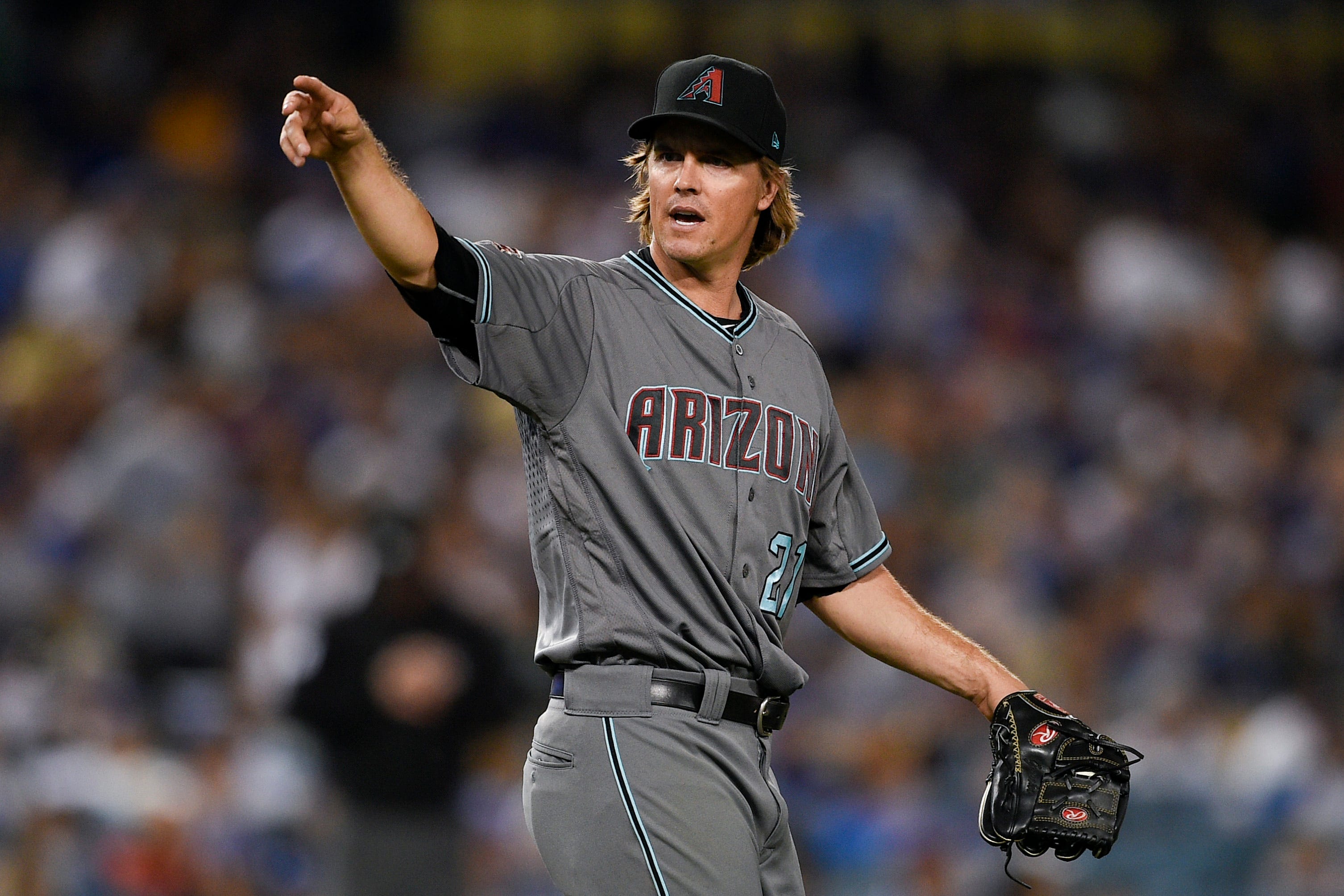 $206.5 million: Zack Greinke, Arizona Diamondbacks (2016-2021) – traded to Houston Astros in 2019" style="max-width:100%; height:auto; border-radius:6px; margin:10px 0;" loading="lazy" />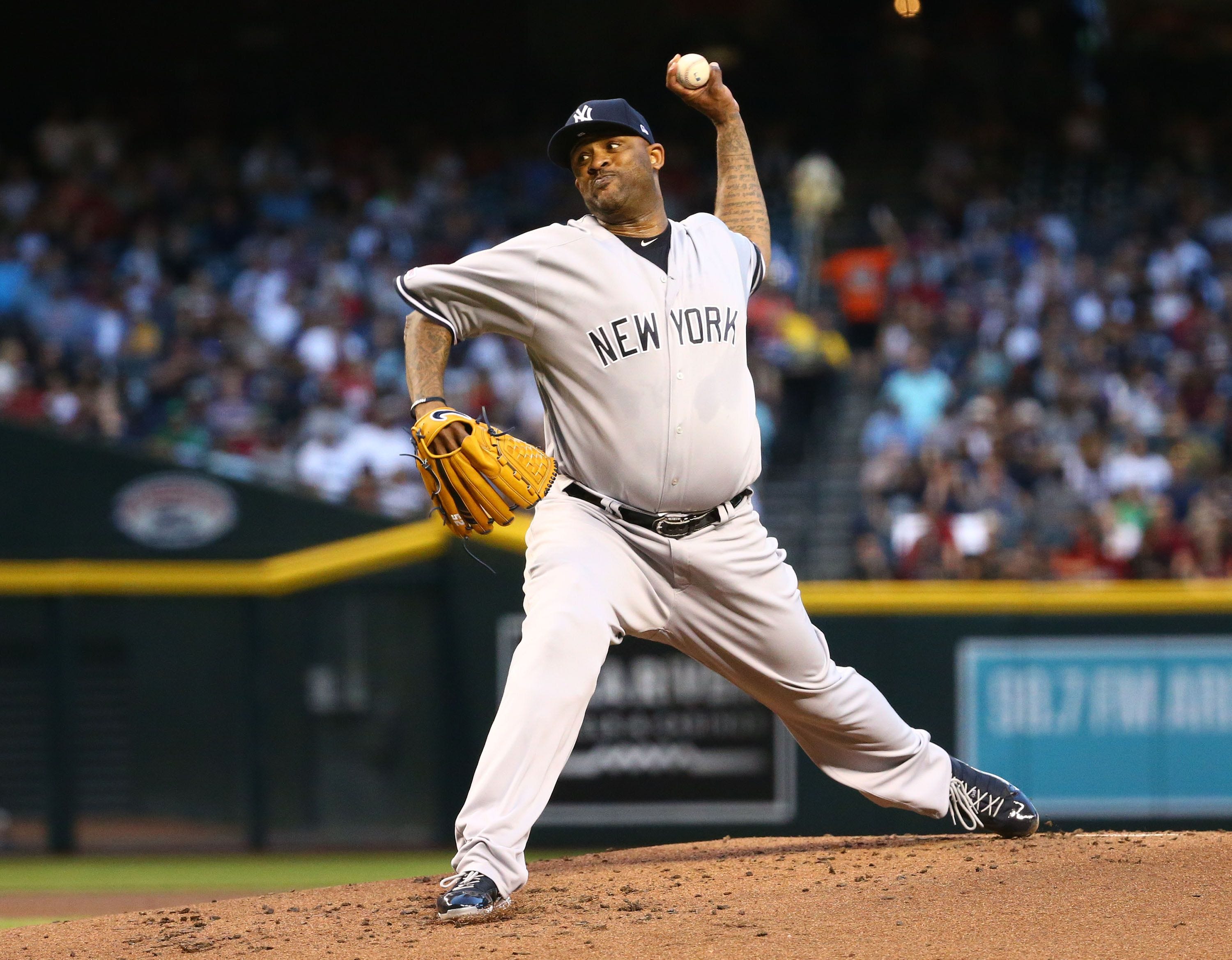
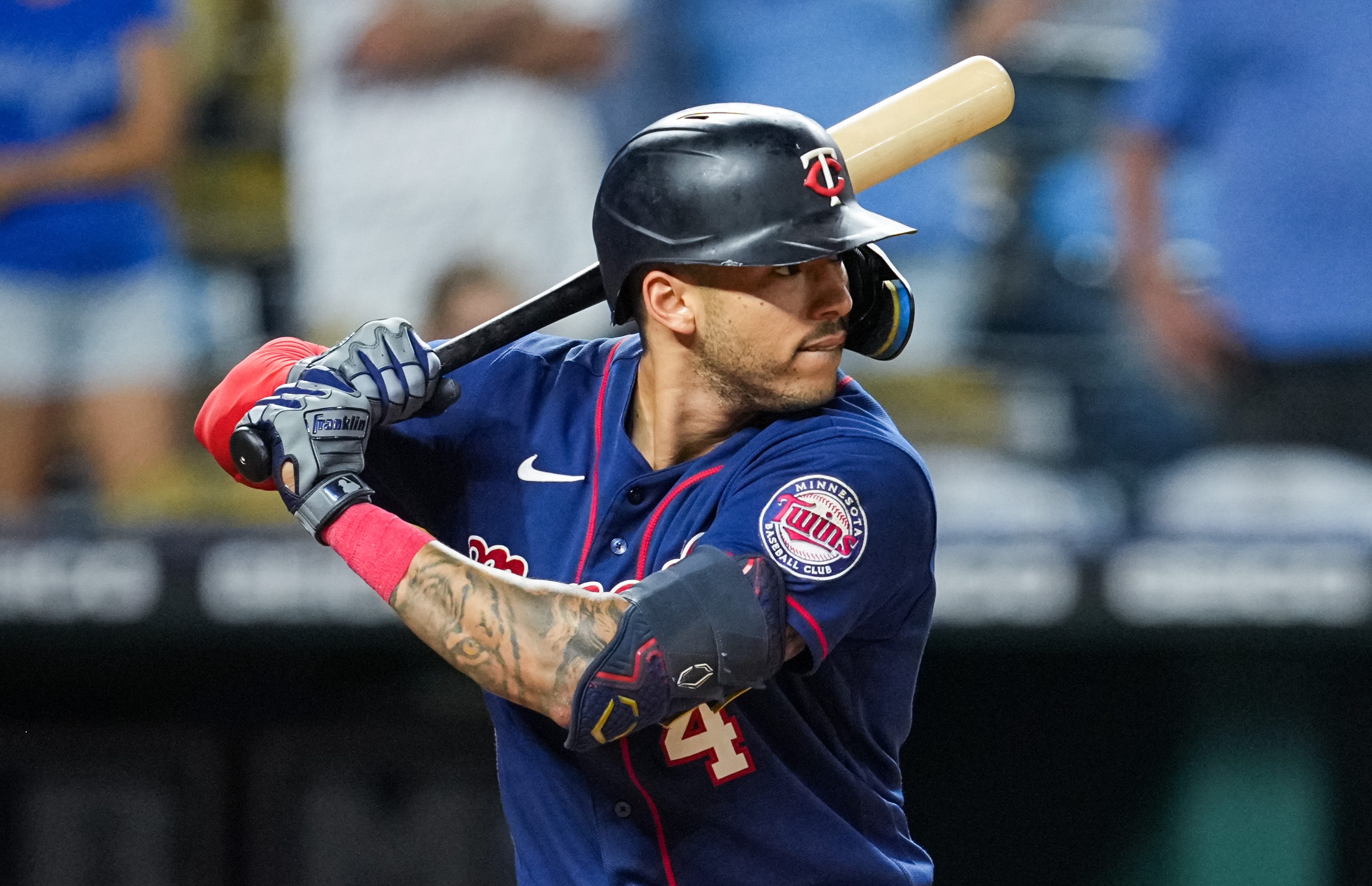 $200 million: Carlos Correa, Minnesota Twins (2023-28) - traded to Houston Astros in 2025" style="max-width:100%; height:auto; border-radius:6px; margin:10px 0;" loading="lazy" />


