The 3-word phrase that could make vet visits less stressful for your dogAshley Zlatopolsky Mon, November 9, 2026 at 12:23 PM UTC
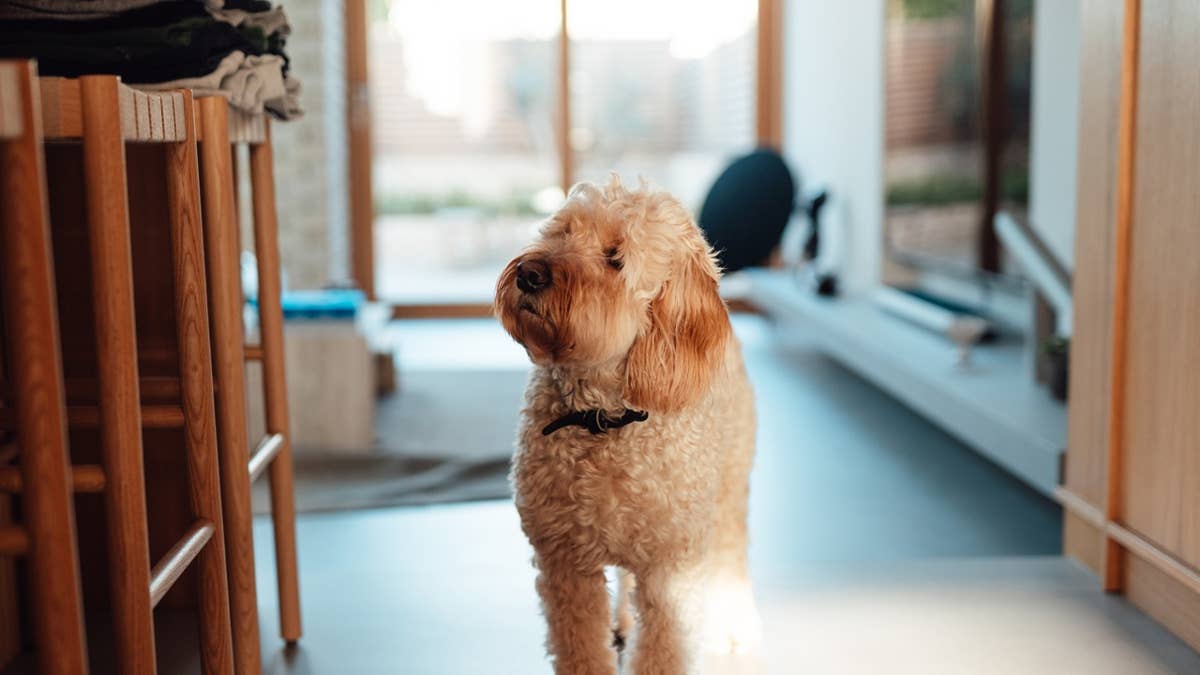
Does your dog start shaking the moment you pull into the veterinarian’s parking lot? Maybe they hide behind your legs in the waiting room, tremble during the examination or refuse to get out of the car altogether. If your dog is scared of the vet, even a routine checkup can turn into a stressful experience for both of you.
Dog anxiety at the vet is common and is often a phobia of lots of dogs, but there are ways to help make veterinary visits a little easier. Along with positive reinforcement, something as simple as what you say to your dog could make a difference.
According to dog training and pet care experts, a familiar three-word phrase may help your dog feel more comfortable during a vet visit, particularly if they’ve already learned to associate those words with praise, encouragement and positive experiences. The key is knowing when to say it, how to deliver it and how your own behavior can influence your dog’s anxiety and help calm your anxious dog down.
So, if you’re a pet parent, what should you say to a nervous dog at the veterinarian? It might be simpler than you think.
Related: 6 Signs Your Dog Feels Safe, Secure and Happy With You, According to Professional Trainers
What Should You Say to a Nervous Dog at the Vet?
If your dog is stressed at the vet, how can you help them? Try saying “You’re doing great!” during your dog’s next veterinary visit. If you regularly use this three-word phrase when praising, training or encouraging your dog at home, they may already associate it with positive experiences. Hearing those familiar words in an unfamiliar or stressful environment could help reassure them.
“Using this phrase during a vet visit while your dog is displaying calm behavior, whether in the examination or waiting room, can help reinforce it,” says Yana Sinkevich, founder of The Hearty Paw.
Other familiar expressions, such as “Want a treat?” or “It’s OK, buddy,” may also help put your dog at ease. You can even use phrases like “Good boy” or “Good girl,” followed by your dog’s name, particularly if they’re accustomed to hearing them at home.
What Not to Do When Your Dog Is Nervous at the Vet
When your dog is already feeling anxious at the veterinarian’s office, your own behavior could make a difference. While there’s no particular word or phrase you need to avoid, experts say pet parents should be mindful of their tone of voice and body language around a nervous dog.
“One of the biggest mistakes a pet parent can make at the vet is showing their own anxiety or nervousness,” Sinkevich says. “Dogs are remarkably sensitive to our voices and language and if you’re not behaving like your usual self, they may get spooked.”
Sally Grottini, a JustAnswer dog training expert, agrees that staying calm can help prevent an already stressful situation from becoming more overwhelming.
“Dogs focus more on the owner’s tone and body language,” she says. “Make sure your body language is loose and relaxed and keep your voice upbeat when giving any command at the vet office.”
In other words, try to remain relaxed, speak in a reassuring voice and give your dog a little extra patience. If your dog is showing signs of fear or anxiety, avoid forcing interactions or overwhelming them with attention.
Related: 6 Sweet Signs Your Dog Trusts You Enough to Follow Your Lead, According to Experts
5 Ways to Help Calm Your Dog Before and During a Vet Visit
The right preparation can make a veterinary appointment less intimidating for a nervous dog. From practicing at home to bringing favorite treats, these expert-approved strategies may help your pet feel more comfortable.
Practice at Home
As a pet parent, one way to prepare your dog for a veterinary examination is to get them comfortable being touched in areas a veterinarian may need to examine, including their paws, ears and mouth.
Elisha Stynchula, owner of I Said Sit! School for Dogs, suggests using a lick mat with dog-safe food to keep puppies occupied while practicing.
“Let the puppy enjoy the lick mat while you examine them,” she says.
Practicing these gentle handling exercises at home can help your dog become more familiar with being examined before their next vet appointment.
Make Practice Visits
For some dogs, simply entering a veterinary clinic can trigger anxiety. If your veterinarian allows it, consider stopping by occasionally for a quick, positive visit without an examination.
This gives your dog an opportunity to become familiar with the building, staff and surroundings without immediately associating the experience with vaccinations, examinations or other procedures.
“This helps the dog to view going into this building as a positive thing,” Grottini says. She recommends having the staff offer treats during these visits.
Bring Treats
Treats can be a helpful way to create positive associations during a veterinary appointment. Pack some of your dog’s favorites so you have something rewarding to offer throughout the visit.
If your dog is nervous around the veterinarian, however, giving them some space may be more helpful than encouraging direct interaction.
“If the dog seems scared or nervous, have the vet toss the treats on the floor and ignore the dog while the vet talks to you,” Grottini suggests.
Take a Walk
If your dog is healthy enough for exercise, a walk before the appointment may help them burn off excess energy and settle in more comfortably.
Sinkevich also recommends enrichment activities, such as puzzle toys and snuffle mats, to help dogs relax.
Just remember to skip strenuous activity if your dog is sick, injured or otherwise not feeling well.
Ask About Anxiety Medication
If your dog experiences severe anxiety during veterinary appointments, behavioral strategies and treats may not be enough.
Talk to your veterinarian before the appointment about whether prescription anxiety medication might be appropriate. Sinkevich says medication can help some dogs feel more comfortable during stressful visits.
Your veterinarian can recommend an appropriate approach based on your dog’s health, anxiety level and individual needs.
With a little preparation, patience and positive reinforcement, you can help your dog build more positive associations with the veterinarian. Although some dogs may always feel a little nervous during examinations, these strategies can make future vet visits more manageable.
Sources:
Yana Sinkevich, founder of The Hearty Paw
Sally Grottini, JustAnswer dog training expert
Elisha Stynchula, owner of I Said Sit! School for Dogs
Source: Nature



0 Comments