If A Cardinal Keeps Showing Up At Your Window, Here’s What It Could Mean
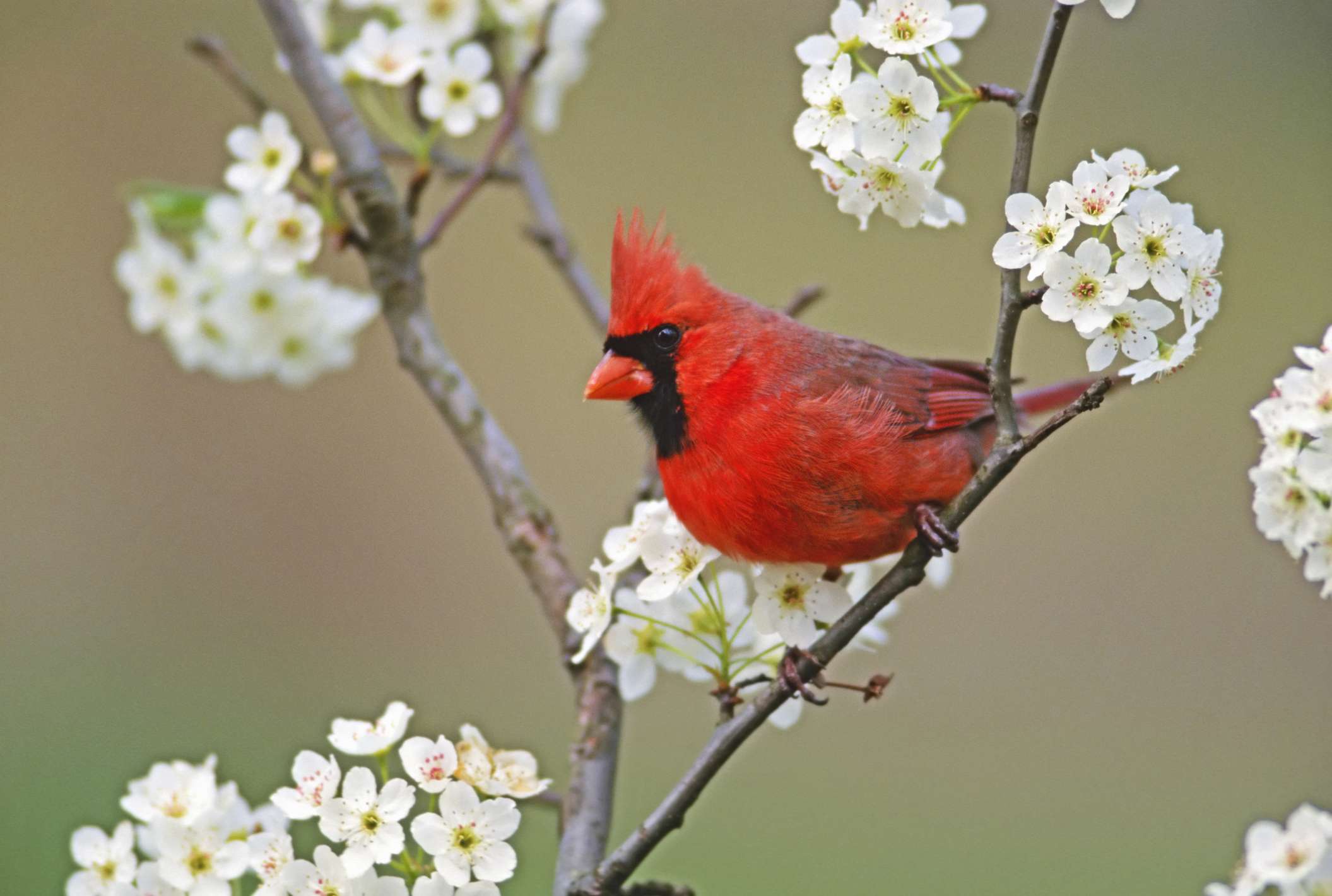
Cardinals are among the most striking backyard birds. These birds have bold crimson feathers and sing cheerful songs all day. So when a cardinal repeatedly shows up at the same window, it is natural to wonder why.
Several explanations exist for this behavior, and most have to do with the bird’s instincts rather than anything mysterious. Cardinals may be attracted to reflections in the glass, looking for food nearby, or defending what they believe is their territory. Their visits can also carry special meaning in cultural and spiritual traditions, which is one reason these encounters often feel particularly memorable.
What A Cardinal Symbolizes In Different Traditions
Beyond their bright appearance, cardinals have long held symbolic meaning in folklore and spiritual traditions. The bird’s bright red coloring and sudden appearance are sometimes interpreted as a sign that someone is watching over you or sending a message from beyond.
Cardinals are also commonly associated with hope, renewal, love, strength, and good fortune. Because they remain in many parts of the country year-round, including during colder months, people sometimes view them as symbols of resilience and perseverance.
The Scientific Reason Cardinals Visit Windows
If a cardinal keeps returning to the same window, it has likely spotted its reflection. Northern cardinals are territorial, especially during breeding season, and males aggressively defend their space against apparent competitors.
When sunlight hits a window at the right angle, the glass can reflect the surrounding landscape or create a mirror-like image. A cardinal may mistake its reflection for another bird entering its territory. Instead of recognizing itself, it sees a rival and tries to chase it away.
This can lead to repeated visits, with the bird pecking, fluttering against, or flying toward the glass. Because the supposed intruder never retreats, the cardinal may keep the behavior for hours or even return day after day.
How To Tell If A Cardinal Is Attacking Its Reflection
Not every cardinal that visits a window is fighting with its reflection. If the bird perches on a nearby branch, looks inside, or briefly lands on the windowsill before flying away, it may just be passing through. However, repeated pecking, fluttering, and flying directly toward the same section of glass strongly suggest territorial behavior. You may also notice the cardinal returning to the same spot multiple times throughout the day.
Pay attention to the bird’s behavior rather than assuming every appearance has the same explanation. A cardinal that visits a window occasionally may be attracted to something in the surrounding landscape.
How To Stop Cardinals From Pecking At Your Windows
Watching a cardinal visit your window can be entertaining, but repeatedly attacking its reflection can stress the bird and potentially injure it. You can discourage this behavior in a few different ways. The most effective solution is to reduce or eliminate the reflection on the glass’s exterior.
Window decals, bird-safe window film, exterior screens, and closely spaced vertical strings can help make the glass more visible to birds. If you use decals, space them closely enough that birds cannot mistake the gaps for an opening. You can also temporarily cover the affected portion of the window with a nonreflective material or apply soap streaks to the exterior glass to disrupt the reflection. If the cardinal targets a particular window, addressing that area may be enough to stop repeated visits.
Should You Be Worried About A Cardinal At Your Window?
In most cases, a cardinal repeatedly visiting your window isn’t something to worry about. It’s usually a natural behavior driven by territorial instincts, particularly when the bird mistakes its reflection for a rival. However, it’s worth taking steps to prevent repeated collisions and protect the bird from unnecessary stress or injury.
If you find a cardinal that has struck your window and appears stunned, place it in a ventilated, covered container in a quiet, safe location away from pets. Don’t offer food or water, and contact a licensed wildlife rehabilitator if it doesn’t recover quickly.
on Southern Living
Source: Nature



0 Comments