Before You Buy Your Child a Betta Fish, Here’s What Veterinarians Want You To KnowSierra
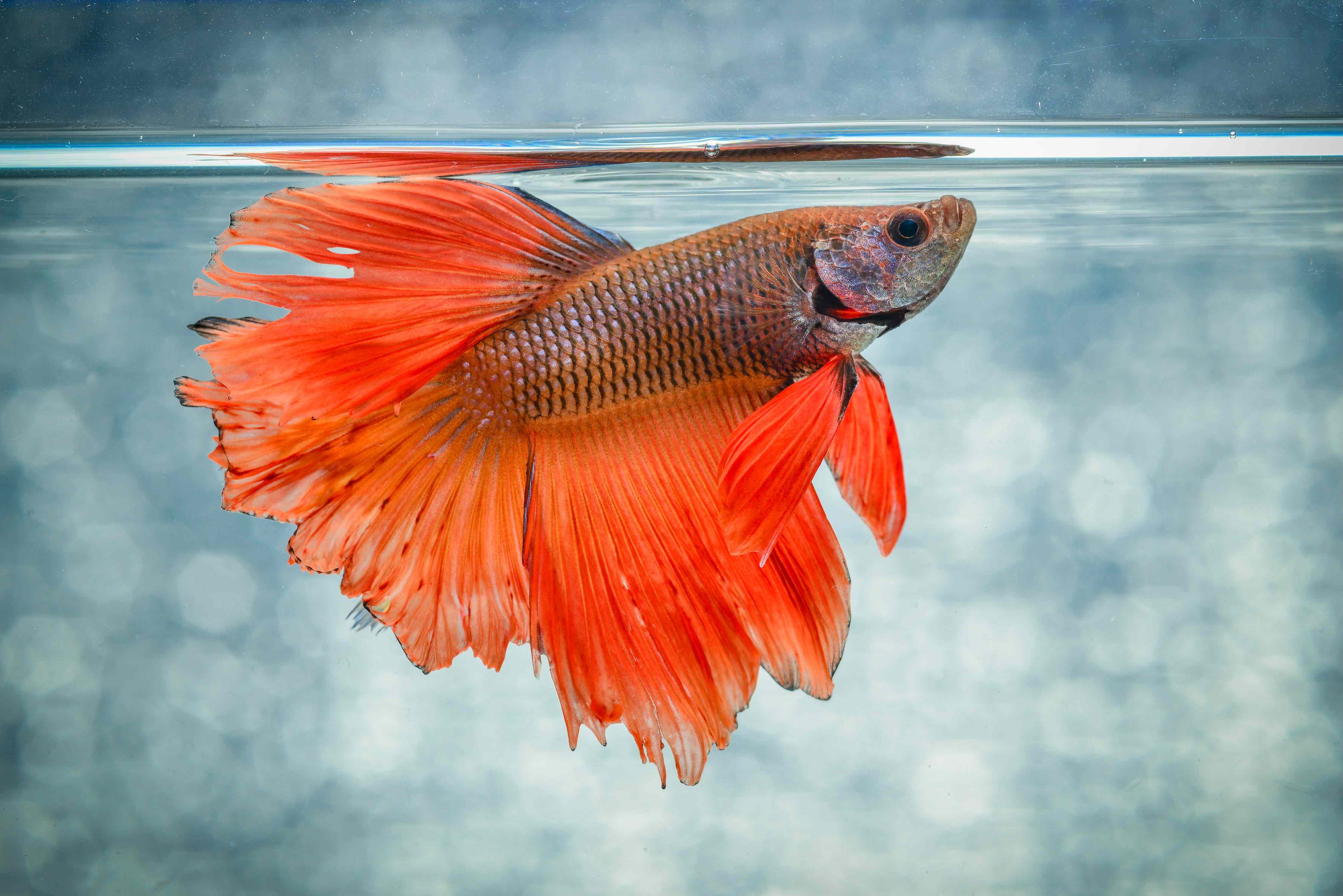
Betta fish are popular but they are not easy starter pets, so families need to plan ahead and stay involved to keep them healthy and safe.
Caring for a betta can help kids learn responsibility, routine, and empathy when adults guide and supervise the process.
Knowing when you can no longer give a fish proper care matters because rehoming is part of being a caring pet owner.
For Ashley Emanuele, DVM, her son’s journey into pet ownership began, as many childhood pet stories do, on his Christmas wish list. The certified aquatic veterinarian saw an opportunity to prepare him for the responsibility of caring for a fish.
“I said, ‘Listen, Santa doesn’t bring live animals. That’s not how this works in our house,’” recalls Dr. Emanuele, who practices in Southern Pines, North Carolina.
So, on Christmas Day, her son unwrapped a new fish tank, a comprehensive cycling kit to prepare the water for the fish’s arrival, and a gift card so he could pick out the fish himself.
When the time came, he brought home a black crowntail betta fish and named him Ender (see: Minecraft fandom). Dr. Emanuele says watching her son blossom into a betta caretaker has been particularly gratifying, particularly his tracking of the tank water’s chemical levels.
“He’s very proud of his fish notebook. He keeps it right next to the tank,” shares Dr. Emanuele. “He’s very proud of the ownership he has.”
This level of investment shows how much time and effort should go into caring for a betta fish. Known for their vibrant colors and voluminous and elongated flowy fins, bettas make for standout selections for any fish tank. But they are far from a set-it-and-forget-it fish species. They require thoughtful preparation, regular upkeep, and adult involvement, something the experts say parents should understand before buying them as pets for their kids.
“These are not disposable pets, and these are not impulse pets,” says Dr. Emanuele. “In a lot of ways, they require more preparation than a dog or cat to bring into your home.”
Why Betta Fish Are So Popular
Betta fish, also known as Siamese fighting fish, are native to Southeast Asia and can be found in areas such as freshwater rice paddies. While social media debates whether their name is pronounced bet-tuh or bay-tuh, veterinarians tend to be more concerned with how they’re cared for than how they’re named. Still, even experts have their preferences.
“I’m a country boy,” says Vernard L. Hodges, DVM, co-owner of Critter Fixer Veterinary Hospital in Georgia. “I call them bay-tuh.”
Parents and kids gravitate toward bettas as household pets because they’re beautiful and affordable. Rare-colored and-patterned betta fish can command prices into the hundreds and thousands of dollars, but your average betta can be bought for under $20 at a local pet store.
“They’re gorgeous. I had one as a kid,” says Dr. Hodges of betta fish. “I think I won it at the fair, to be honest. I probably was 13 or 14 years old.”
Back then, he admits he didn’t know the ins and outs of truly taking care of a betta fish. And he’s not alone. Dr. Emanuele also had a betta fish in college.
“I am sure that my college betta fish made it through some rough stuff, because I was not as prepared as I should have been,” she says. “But we have an opportunity to do better for these guys now, and that starts with preparation.”
What Betta Fish Actually Need
Betta fish are commonly displayed in small cups stacked next to and on top of each other, where their striking colors are contrasted against their fellow fish to the left and right. However, the experts caution that this is far from an ideal habitat.
“These fish are living in their toilet bowl,” notes Dr. Emanuele. “And they’re not thriving, they’re not doing well [in a small cup]. It is not a long-term solution.”
The minimum recommendation for a betta fish is a 5-gallon tank. Tank décor matters, too. If the plan is to adorn the tank with hiding places or other interactive pieces, steer clear of sharp or rigid objects. For example, soft silk plants or live plants are a safer bet for betta fish than hard plastic ones.
“I had a colleague once who described bettas as basically swimming with a ball gown on,” says Robert Martinez, DVM, who runs Aquatic Veterinary Consulting and Services in Salt Lake City. “So, when they’re swimming, they’re going to get their fins caught on plants. Plastic plants can really tear up their fins.”
Betta fish are tropical fish, so experts recommend having a heater to regulate the temperature between mid-70 and low-80 degrees Fahrenheit to mimic that environment. Furthermore, appropriately sized filters for the tank are a must to remove waste and maintain water quality.
Experts recommend weekly or biweekly water changes of 10% to 25%, along with regular filter maintenance and cleaning of the fish tank sides.
Finally, betta fish are carnivores. Parents should keep specialized fish pellets and frozen or freeze-dried foods like bloodworms and brine shrimp to ensure bettas are consuming the high-protein diet they need.
"These are not disposable pets, and these are not impulse pets. In a lot of ways, they require more preparation than a dog or cat to bring into your home."
Ashley Emanuele, DVMCan Betta Fish Have Companions?
These small pets’ active and engaging behavior, from zipping around the tank and finding places to hide in solo play to following movement outside the tank in interactive play, can keep a kid’s attention. But bettas don’t play well with other fish inside the tank, especially other males.
“They will literally fight until the death,” explains Dr. Hodges, adding that snails are a better choice for tank companions for betta fish.
Female bettas can sometimes live together in what’s called a sorority, but Dr. Emanuele notes there are still considerations for them to live in harmony.
“In order to keep several females happy, you need to have at least 25 to 30 gallons with lots of hiding spaces, because they’ll create their own territories,” she says.
What Betta Fish Can Teach Kids
Parents shouldn’t be discouraged about adding a betta fish as a household pet, as they can be a joy to have while also teaching important lessons.
Before adding Ender to their home, Dr. Emanuele says the tank needed to undergo a process called cycling, which allows beneficial bacteria to grow and safely break down fish waste. Together, she and her son put the freshwater test kit to use, and her son logged the tank’s pH, ammonia, nitrite, and nitrate levels in a notebook, watching the predictable chemical pattern unfold.
“It was awesome,” she says of the process. “We got to graph, we got to make charts, and we got to do actual little chemistry experiments.”
Beyond the science lessons, betta care can teach routine and responsibility. Amy Milburn ran a betta rescue out of her Carlisle, Pennsylvania, home from 2021 to 2024, rehabbing dozens of fish through those years. She says her daughter, who was around 8 years old at the time, kept a fish tank in her room and really took to the feeding and cleaning responsibilities like a pro.
“Obviously, I would supervise, but she did a really great job,” says Milburn of her daughter. “Don’t just get a pet, any pet, and just give it to a kid and let them be in charge of its care. You (as a parent) need to be part of that process, and you need to teach them and supervise them until you know that they can do it on their own.”
Taking care of betta fish, which can live anywhere from three to five years, or longer, can also be a lesson on personal hygiene. Parents should ensure everyone practices proper handwashing when changing the tank water and cleaning the tank.
Keep in mind, betta fish are prone to a bacterial infection called Mycobacterium, which can, in rare cases, be passed to humans during tank maintenance, notes Dr. Martinez. Basic precautions, like covering wounds or wearing gloves, can significantly reduce the risk, particularly for young children or immunocompromised family members.
4 Better Fish Options for First-Time Pet Owners
Mickey Mouse platies. Popular, hardy, and easy to care for freshwater fish. Plus, they have a Mickey Mouse design on the tail.
Mollies. These are active swimmers and suitable to keep with other similar-sized fish. But keep in mind, females can have up to 100 babies at one time.
Guppies. They are bright colored and very active. But they breed like crazy.
Tetras. They also have bright colors and are easy to care for.
Knowing When To Step Back From Betta Ownership
Milburn and the veterinarians agree that responsible pet ownership means recognizing when care is slipping. Like any other pet, betta fish can get sick, and this can be due to anything from poor water quality to other stressors, or something more serious.
Warning signs include a decline in appetite or deviation from normal activity, says Dr. Martinez, adding that another indicator is color change.
“If they’re sick or stressed, sometimes their color will dull, or they’ll look paler,” he explains.
Some of the bigger changes are much more noticeable, he says, such as the fish developing ulcers or redness and fraying on the fins.
Milburn had to ultimately pause her full-scale fostering of bettas once her family routine changed and demanded more out of her. A change in capacity to care for a pet can also teach kids empathy and accountability, says Dr. Emanuele.
If a family can no longer care for a fish, the experts encourage rehoming through rescue groups or consulting a fish veterinarian. The American Association of Fish Veterinarians has a Find a Fish Vet page to find a provider who can help point parents in the right direction. Dr. Hodges even recommends donating the betta to a classroom where shared care can spark curiosity and maybe even future careers as a veterinarian or marine biologist.
Dr. Emanuele adds, “Especially as a parent, we should be striving to show our children the proper way to take care of our pets, and that extends all the way down to these little fish. How much you spent on it shouldn’t equate to the level of care you provide to it, because our kids are watching.”
on Parents
Source: Nature



0 Comments